
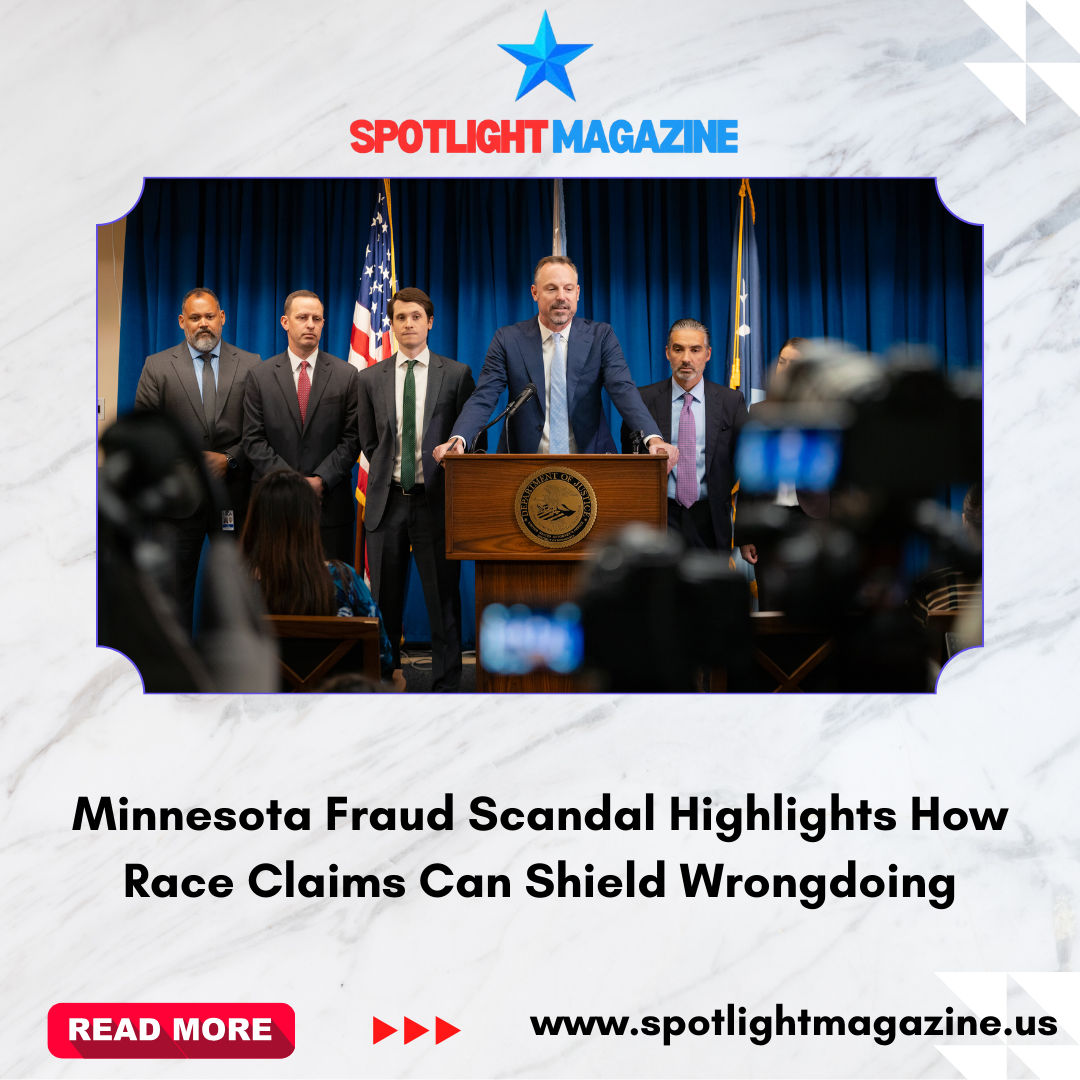
Minnesota is still dealing with the fallout from the Feeding Our Future scandal, a massive fraud case that has exposed problems in the state’s social programs. Reports of fraud, especially within Minneapolis’ Somali community, have circulated for years, but officials often dismissed concerns as “racist” or as attacks on immigrants. Critics say this focus on race sometimes shielded fraudsters and slowed investigations. Bill Glahn of the Center of the American Experiment noted that accusations of racism effectively killed scrutiny, while former federal prosecutor Joe Teirab explained that some suspects used racial claims deliberately, even trying to bribe a juror with messaging that framed the investigation as biased. The tactic wasn’t just about avoiding prosecution—it aimed to intimidate investigators and discredit the system itself.
Minnesota Republican State Senator Mark Koran stressed that fraud prosecutions followed evidence, not race, and that the Somali community’s high rates of involvement in these cases reflected where fraud occurred, not selective targeting. He added that some families even participated in schemes, receiving kickbacks from fraudulent service providers, making enforcement more difficult. Koran suggested the total financial losses across state programs could far exceed the roughly $2 billion the federal government might prosecute, with fraud combined with inefficient service delivery.
Political pressure and fear of being labeled racist also complicated enforcement. Agencies and officials, including the Minnesota Department of Education, reportedly handled the nonprofit carefully due to concerns about public backlash and negative media coverage. Conservative reporters said newsroom editors were hesitant to publish stories about Feeding Our Future for fear of accusations of racism, allowing the scandal to grow largely unchecked until federal indictments brought it to light.
A key early moment occurred when the Department of Education briefly halted payments after detecting fraud. Local politicians, including Omar Fateh and Jamal Osman, claimed the freeze was racially motivated and sued the state, though the case was dismissed. Governor Tim Walz chose not to use his subpoena power to access the nonprofit’s bank records, which delayed uncovering the full extent of the fraud. Analysts say fear of the “racist” label, combined with the political influence of the Somali community—whose votes are concentrated and often decisive in local and statewide Democratic primaries—further contributed to hesitations in investigating the scandal.
The result has been costly. Fraudsters exploited the reluctance to act, taxpayers lost billions, and the vulnerable communities the programs were meant to serve were hurt most. Experts emphasize that addressing fraud requires courage: investigators must follow evidence wherever it leads and resist attempts to misrepresent legitimate scrutiny as racist or discriminatory. For Minnesota, the scandal is a reminder that oversight and accountability are critical to protecting public resources and the people who rely on them.