
A Minnesota program meant to help vulnerable people find stable housing became so easy to exploit that fraudsters traveled from other states just to take advantage of it, federal prosecutors said this week. According to Assistant U.S. Attorney Joe Thompson, the Housing Stabilization Services program was widely viewed as “easy money,” allowing scammers to collect millions of dollars with little oversight.
Two men from Philadelphia, Anthony Waddell Jefferson and Lester Brown, are accused of traveling to Minnesota to enroll their companies in the program, then returning home and submitting fraudulent Medicaid claims from there. Prosecutors say the pair collected about $3.5 million through false billing without providing the services they claimed. Thompson described this pattern as “fraud tourism,” where people deliberately target weak systems in other states.
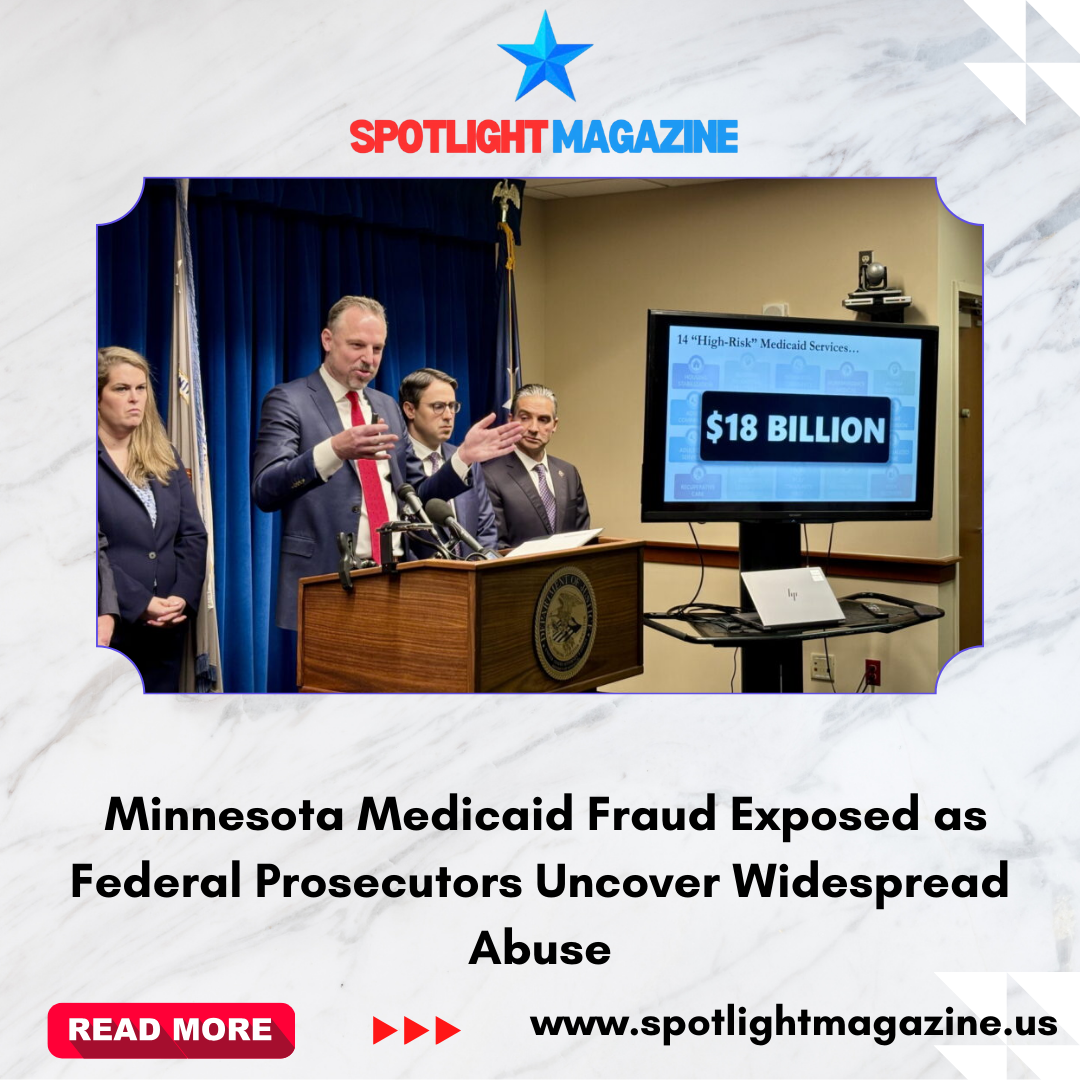
Federal investigators say this case is part of a much larger problem. Audits are underway for 14 state-run Medicaid programs considered high-risk, and providers in those programs have billed a combined $18 billion since 2018. Thompson said investigators believe that half or more of that amount may be improper or fraudulent. While not all of that money comes directly from state taxpayers, Minnesota covers about 36 percent of Medicaid costs, with the rest funded by the federal government.
Thompson emphasized that the scale of the problem goes far beyond a few bad actors. He said the fraud appears widespread and organized, raising serious questions about how these programs were monitored. Federal prosecutors have already charged multiple individuals connected to Housing Stabilization Services and another Medicaid-funded autism treatment program. The state shut down Housing Stabilization Services in August after what it described as credible allegations of fraud.
State officials pushed back on Thompson’s estimate, saying the claim that half of the $18 billion might be fraudulent was speculative. The Department of Human Services inspector general said the agency has asked federal prosecutors to share evidence so the state and federal governments can work together more closely. Minnesota’s temporary human services commissioner welcomed the federal prosecutions and said the state will continue to cooperate by sharing data and information.
Prosecutors also addressed concerns raised in recent political debates, saying there is no evidence that fraud money was knowingly sent to terrorist groups. However, Thompson noted that funds could indirectly end up in conflict zones if they pass through businesses operating in areas controlled by extremist groups.
At the same time, federal authorities have launched a new investigation into another Medicaid program called Integrated Community Supports. This program was created in 2021 to help adults with disabilities live independently rather than in institutions. Spending in the program has grown rapidly, increasing from about $4.6 million in its first year to $170 million in 2024.
Investigators say the program has been vulnerable to abuse. In many cases, providers allegedly rented apartments to clients but billed Medicaid for daily services that were never delivered. Because providers can bill hundreds of dollars per day per client, payments can reach well over $100,000 a year for a single person.
Federal agents recently raided the office of one provider, Ultimate Home Health Services, as part of this investigation. Authorities say the company billed more than $1 million for services it did not provide. The state later suspended the company’s payments and license after finding serious failures in care, including poor reporting of maltreatment and a client’s death. Minnesota has since withheld payments from more than 17 providers linked to suspected fraud.
While the state moves to crack down on abuse, advocates for people with disabilities warn that sudden shutdowns and payment suspensions risk harming individuals who depend on these services for daily support.
Fraud in public assistance programs has become a major political issue in Minnesota, with lawmakers trading blame over oversight failures. Governor Tim Walz praised federal prosecutors for bringing charges and said the state has taken steps to shut down problematic programs, audit spending, and stop payments to dishonest providers. He said aggressive enforcement is necessary to protect public funds and restore trust in programs designed to help those most in need.