
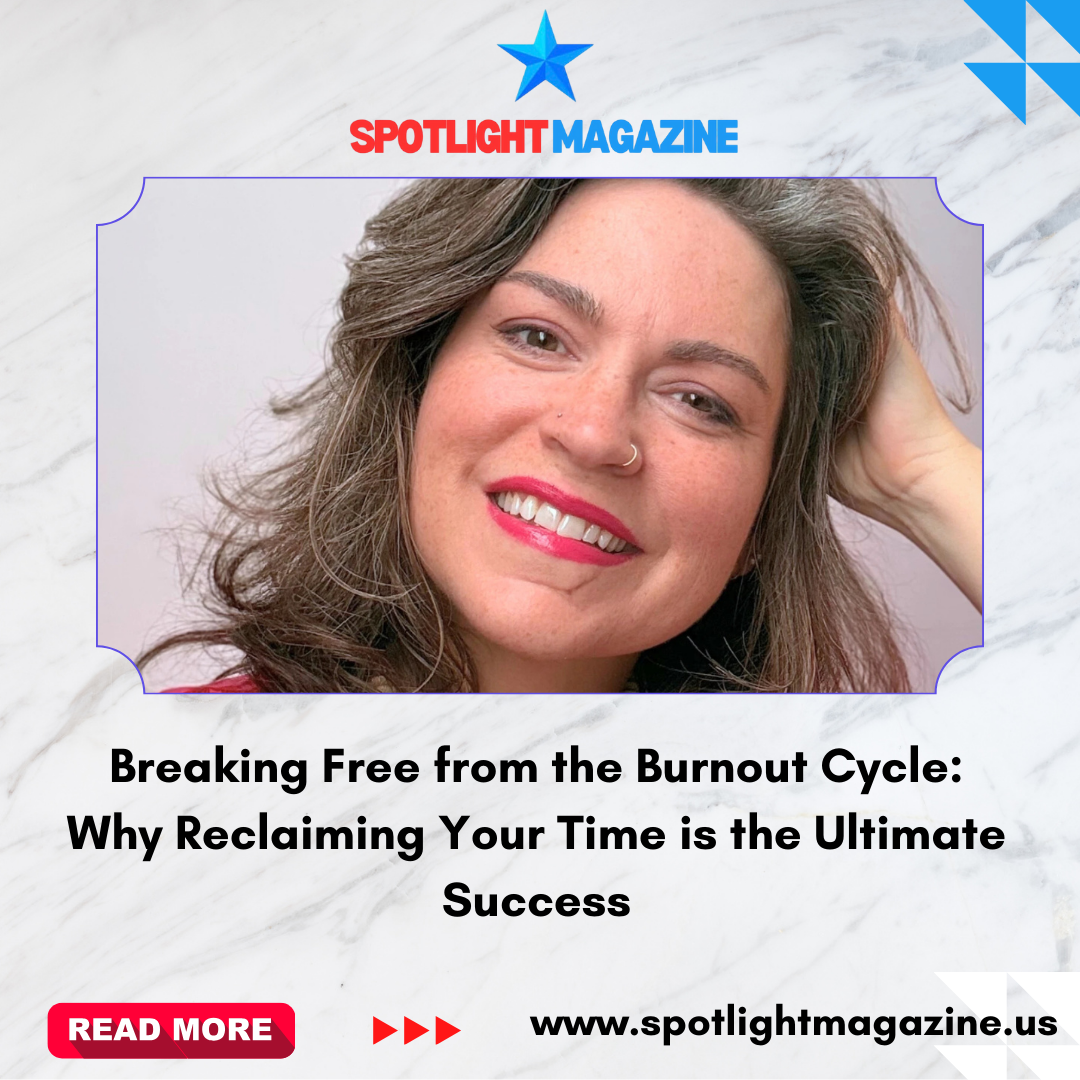
In today’s fast-paced society, the pressure to constantly achieve more can lead to a dangerous cycle of burnout. Author Jennifer J. Higley, a resident of Windom, Minnesota, explores this modern phenomenon in her book, The Cost of the Hustle: How the Pursuit of Success Can Lead to Self-Destruction. Through her writing, she aims to shed light on the physical, emotional, and spiritual toll that relentless striving takes on individuals, while offering a path toward a more balanced and fulfilling life.
Higley’s motivation for writing the book stemmed from her own experiences and observations of the world around her. She noticed that many people are caught in a culture that equates worth with productivity. This “hustle culture” encourages people to sacrifice their health, relationships, and peace of mind in exchange for career advancement or social status. Higley argues that while ambition is not inherently bad, it becomes toxic when it overrides our basic human needs for rest and connection.
The book delves into the science of stress and how chronic overworking impacts the body. Higley explains that when we are constantly in a state of “doing,” our nervous systems remain on high alert. This lead to a variety of health issues, including fatigue, anxiety, and even physical illness. By ignoring the body’s signals to slow down, people often reach a breaking point where they can no longer function effectively in any area of their lives.
Beyond the physical consequences, Higley discusses the emotional impact of the hustle. When success becomes the primary focus, individuals often lose touch with their true selves. They may feel a sense of emptiness or lack of purpose, even after achieving significant milestones. This is because the pursuit of external validation rarely provides lasting satisfaction. Higley encourages readers to redefine success on their own terms, focusing on internal values rather than societal expectations.
One of the key themes of the book is the importance of setting boundaries. In a world that is always “on” due to technology and social media, it can be difficult to disconnect. Higley provides practical advice on how to say no to excessive demands and how to prioritize self-care without feeling guilty. She emphasizes that taking time to recharge is not a sign of weakness, but a necessity for long-term sustainability and creativity.
The author also touches on the spiritual aspect of finding balance. She suggests that quiet reflection and mindfulness can help individuals reconnect with what truly matters. By slowing down, people can cultivate gratitude and find joy in the present moment, rather than always looking toward the next goal. This shift in perspective allows for a more authentic and grounded way of living.
Ultimately, The Cost of the Hustle serves as a wake-up call for anyone feeling overwhelmed by the demands of modern life. Higley’s message is one of hope and empowerment. She believes that by acknowledging the hidden costs of the hustle, we can make conscious choices to live more intentionally. The book is a guide for those seeking to break free from the cycle of burnout and rediscover a sense of peace and purpose in a world that rarely stops moving.