
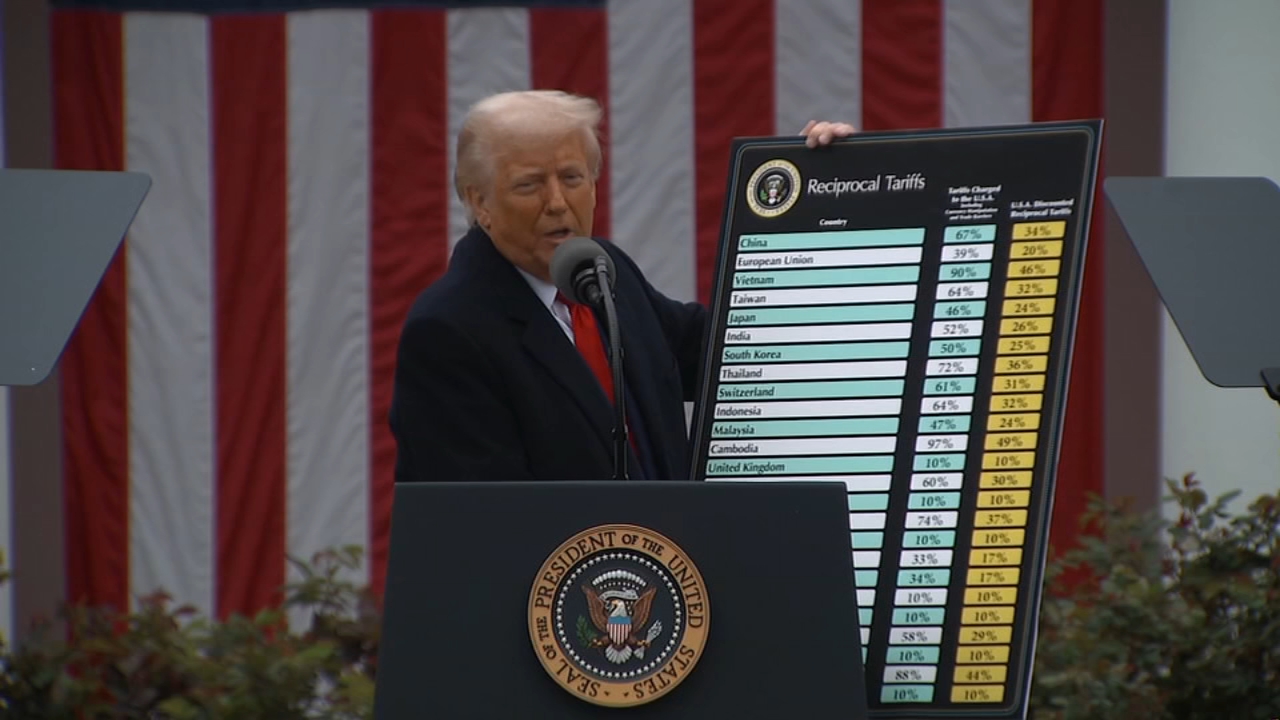
Businesses across the United States are beginning to file claims for refunds after a court ruling found certain Trump tariffs unconstitutional, marking a significant development in ongoing debates over trade policy and executive authority. The decision has opened the door for companies affected by the measures to seek reimbursement for duties paid under the disputed framework.
According to court documents and statements from legal experts, the ruling determined that aspects of the tariff policy introduced during the administration of Donald Trump exceeded the scope of authority granted under existing trade laws. While the judgment focuses on specific tariffs, officials note that the broader implications for US trade policy ruling could depend on appeals and further legal interpretation.
The process allowing business tariff refunds is expected to begin immediately, with companies required to submit claims through established customs and trade channels. Reports suggest that firms in sectors such as manufacturing, retail, and import-dependent industries may be among the most affected. However, authorities have not released a comprehensive estimate of the total refund value, and the administrative process could take time to complete.
Government representatives have indicated that the ruling underscores the importance of adhering to statutory limits when implementing import duties. At the same time, some policymakers have expressed concern about the potential economic impact tariffs may have had during the period in which they were enforced, particularly on supply chains and pricing.
Legal analysts note that the federal court decision tariffs could influence how future administrations approach trade measures. They emphasize that while tariffs are a common tool in international trade, their application must align with legislative frameworks. According to experts, the case may prompt closer scrutiny of executive actions related to trade policy.
Businesses seeking refunds are advised to carefully review eligibility criteria and documentation requirements as part of the import duties refund process. Early reports indicate that compliance with procedural guidelines will be critical to ensuring claims are processed efficiently, though exact timelines remain unclear.
The development comes amid continued debate over the long-term effects of the tariffs on the US economy. While some stakeholders argue that the measures were intended to protect domestic industries, others have pointed to increased costs for businesses and consumers. The court’s decision introduces a new phase in this discussion, with attention now shifting to implementation and potential appeals.
As companies begin to file claims, the situation remains subject to ongoing legal and administrative review, and further updates are expected as authorities clarify procedures and assess the broader impact of the ruling.