
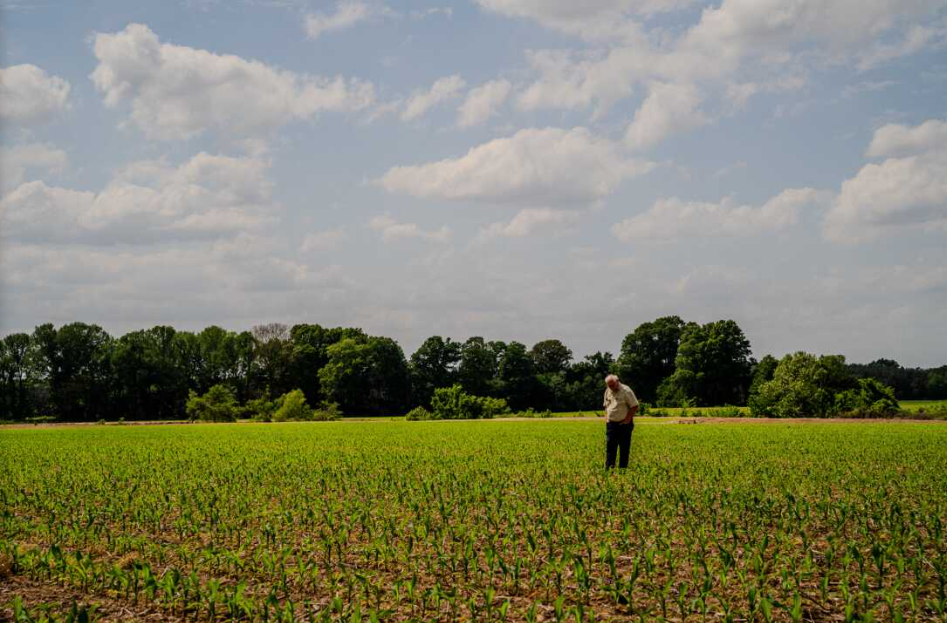
The Minnesota farmers Strait of Hormuz fuel cost impact is emerging as a growing concern for agricultural stakeholders as fluctuations in global energy markets continue to ripple through supply chains. While the Strait of Hormuz remains one of the world’s most critical oil transit chokepoints, any disruption or heightened tension in the region tends to influence fuel prices worldwide, with downstream effects reaching far beyond the Middle East.
According to energy market analysts, even temporary volatility in oil shipments through the Strait can trigger price instability in diesel and gasoline, which are essential for large-scale farming operations across the US Midwest. Minnesota farmers, who rely heavily on fuel for planting, harvesting, and transportation, are particularly exposed to these cost shifts. Although global markets often stabilise after disruptions ease, agricultural input costs do not always adjust downward at the same pace, leaving farmers to absorb prolonged financial pressure.
Reports suggest that fertiliser prices, which are closely linked to natural gas and oil markets, may also remain elevated long after shipping routes normalise. This lag effect means the Minnesota farmers Strait of Hormuz fuel cost impact could persist even after geopolitical tensions or maritime disruptions subside. In practical terms, this creates uncertainty in budgeting cycles for farm operators already dealing with inflationary pressures and variable crop revenues.
Industry observers note that logistics and shipping costs form another layer of vulnerability. When global fuel prices rise, transport rates for agricultural exports increase, affecting competitiveness in international markets. This is particularly significant for Minnesota, a major producer of corn, soybeans, and wheat, where margins are often tight and sensitive to cost fluctuations.
While no direct operational link exists between Minnesota agriculture and the Strait of Hormuz, the interconnected nature of global energy markets means that regional disruptions can quickly translate into local economic consequences. Experts caution that even after maritime conditions stabilise, contract delays, hedging strategies, and supplier pricing structures can extend the financial impact for months.
For now, farmers and agricultural economists continue to monitor developments closely, recognising that the Minnesota farmers Strait of Hormuz fuel cost impact is less about a single event and more about the broader volatility of global energy systems. The challenge ahead lies in adapting to these external shocks while maintaining long-term agricultural sustainability in an increasingly unpredictable global economy.