
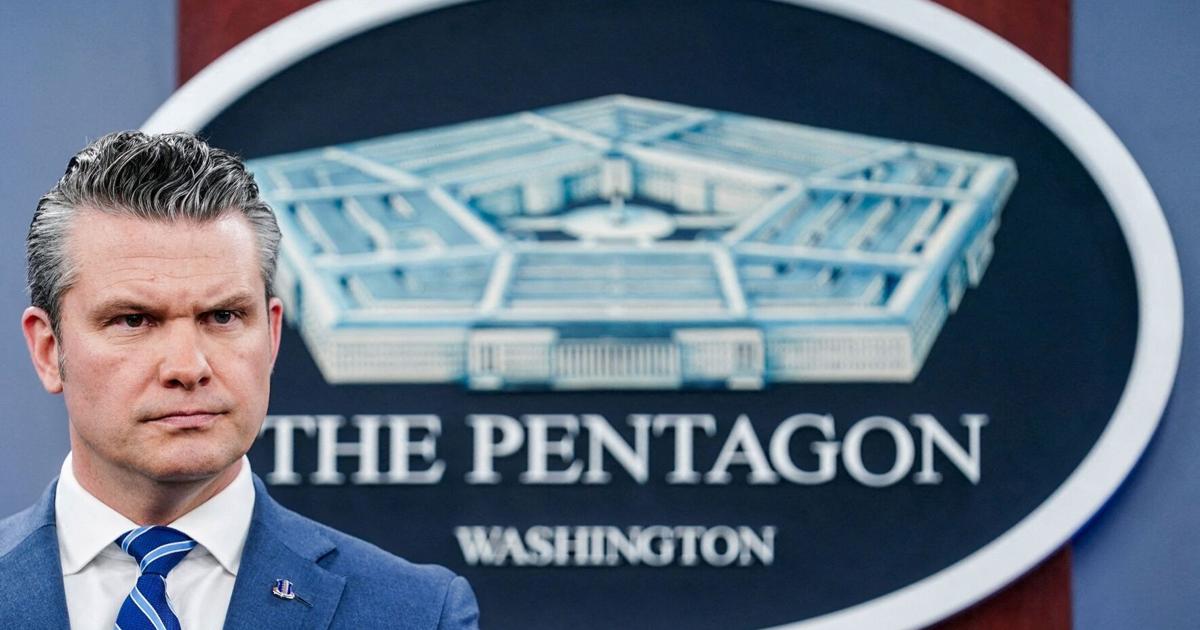
The Iran war cost $25 billion Pentagon Congress testimony has brought new clarity to the financial scale of the ongoing conflict, marking the first official estimate disclosed publicly by U.S. defense officials. According to testimony before the House Armed Services Committee, a senior Pentagon official stated that military operations in Iran have so far cost approximately $25 billion, with much of the spending directed toward munitions and operational support.
The figure was presented by the Pentagon’s acting comptroller during a congressional hearing, where lawmakers pressed for greater transparency on the financial burden of the conflict. Officials indicated that the estimate includes costs related to weapons, maintenance, and the replacement of damaged or destroyed equipment, although they did not provide a detailed breakdown of all expenditures.
The conflict, which began in late February under what has been referred to in reports as Operation Epic Fury, has required a sustained deployment of U.S. forces and resources in the Middle East. According to reporting, the majority of the $25 billion has been spent on ordnance used in airstrikes and defensive operations, reflecting the intensity of the military campaign.
Despite the disclosure, questions remain about whether the estimate fully captures the long-term financial implications of the war. Analysts and some lawmakers have suggested that the total cost could rise significantly once broader factors—such as reconstruction, logistical support, and future military readiness—are taken into account. Independent estimates cited in policy discussions have placed potential costs higher, though no official revised figure has been confirmed.
The testimony has also intensified political debate in Washington, where the war’s economic and strategic impact is under increasing scrutiny. Some lawmakers have welcomed the release of the figure as a step toward accountability, while others have questioned both the scale of spending and the clarity of the mission’s objectives. According to officials, additional funding requests may be submitted to Congress once a more comprehensive assessment of the conflict is completed.
Beyond the budgetary implications, the war has contributed to broader economic concerns, including rising energy prices and supply chain disruptions linked to instability in the Middle East. Reports suggest that such effects may continue to influence global markets even if military operations stabilise.
As the Iran war cost $25 billion Pentagon Congress disclosure continues to shape public and political discourse, the focus is likely to remain on both the financial trajectory of the conflict and its long-term implications for U.S. military strategy and economic policy.