
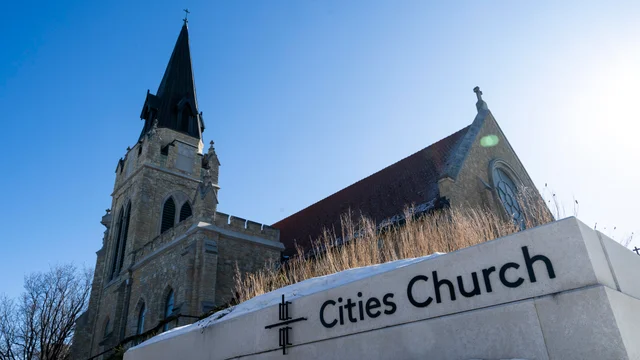
The St. Paul city attorney has announced that no state charges will be filed against protesters who disrupted a church service earlier this year, a decision that has drawn attention to legal and constitutional questions surrounding protest actions. The St Paul anti-ICE protest charges decision follows a review of evidence related to the incident at Cities Church.
According to Irene Kao, prosecutors determined that the available evidence did not meet the legal threshold required to pursue charges under Minnesota law. Officials said the review included video footage and investigative materials before reaching the conclusion.
The protest took place in January, when a group of demonstrators entered the church during a service to voice opposition to U.S. Immigration and Customs Enforcement policies. Reports indicate the protest disrupted the service but did not involve violence or property damage, factors that were considered in the legal assessment.
Despite the decision at the state level, the legal situation remains ongoing at the federal level. Early reports suggest that more than 30 individuals involved in the Cities Church protest Minnesota incident are still facing federal charges, including alleged violations of civil rights laws related to interference with religious worship.
In her statement, Kao emphasized that the decision should not be interpreted as support for unlawful behavior, noting that both the right to protest and the right to practice religion are protected under the law. She said balancing these rights was a key factor in the determination.
The case has sparked broader debate over protest religious service law and the limits of demonstrations in places of worship. Critics of the decision argue that disruptions to religious services should face stronger legal consequences, while others say the outcome reflects careful consideration of constitutional protections.
Analysts note that the ICE protest federal charges aspect may ultimately shape how the case is viewed, as federal authorities continue to pursue allegations tied to the demonstration. Legal experts say such cases can raise complex questions about jurisdiction and the intersection of free speech and religious freedom.
At this stage, the St Paul anti-ICE protest charges decision closes the matter at the state level, but the broader legal and public debate is expected to continue as federal proceedings move forward.