
While the seasonal weather across the Upper Midwest is famously characterized by extreme atmospheric shifts, environmental scientists have long counted on complete thermal stability deep beneath the topsoil. For generations, academic textbooks and field surveys established that subsurface aquifers in southern Minnesota maintained a locked, predictable baseline between 45 and 46 degrees Fahrenheit. However, ongoing geological surveys have uncovered a surprising thermal anomaly directly beneath major metropolitan grids. Independent research teams monitoring urban cave networks and natural springs have consistently recorded localized groundwater temperature rises leaping over 10 degrees higher than historically accepted regional norms. This unprecedented underground warming has introduced complex vulnerabilities to regional aquatic habitats and municipal infrastructures, intensifying the urgency surrounding localized water resource management.
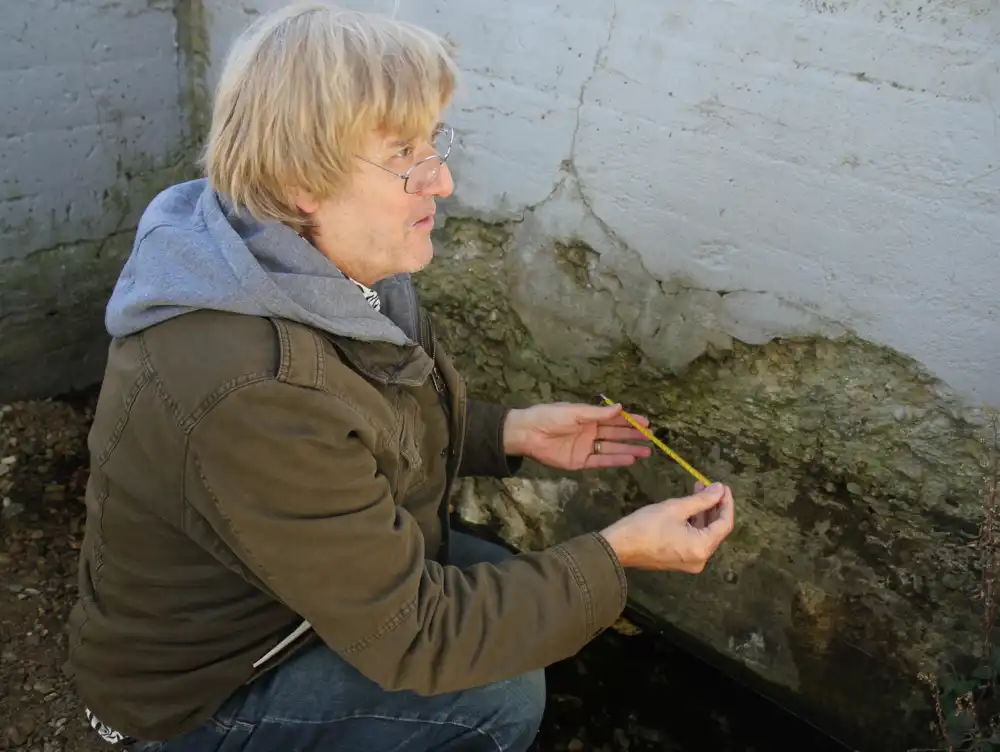
According to published field logs from professional geologists, data collected at landmarks like Coldwater Spring near Minneapolis documented active outflows registering at 57 degrees Fahrenheit. Parallel student field evaluations of deeper subterranean caverns beneath downtown commercial districts measured water columns as high as 62 degrees Fahrenheit. Experts in environmental consulting state that while global climate shifts contribute to these anomalies, the primary drivers are rooted directly in the urban heat island effect. Concrete surfaces, expansive asphalt networks, and dense highway matrices absorb intense solar radiation during summer peaks, systematically transferring thermal energy deep into the Earth. This process is further compounded by massive structural footprints, including subterranean building basements and commercial boiler units, which continuously bathe the local water table in artificial, radiating heat.
The long-term environmental and systemic implications of these hidden thermal fluctuations remain a major focus of scientific inquiry. Because natural groundwater serves as a foundational feed for regional lakes, creeks, and wetlands, rising subterranean temperatures could fundamentally alter fragile surface ecosystems. Cold-water fish species, particularly trout and salmon populations that rely on chilly inputs for late-fall spawning and winter egg development, face the direct threat of diminished habitability. State regulatory frameworks are paying close attention to these developments, as elevated baseline water temperatures can also increase mineral dissolution rates, altering the structural composition of municipal supply networks and impacting long-term water resource management.
Amid these rising concerns, innovative urban planners are attempting to convert these subterranean thermal patterns into sustainable municipal assets. In St. Paul, a large-scale sustainable redevelopment project is currently designing specialized aquifer thermal energy storage networks to utilize steady subsurface temperatures as a clean regulatory battery for neighborhood heating and cooling. Still, conservation biologists and geological researchers emphasize that comprehensive, peer-reviewed data on subsurface warming remains sparse across North America. To preserve the environmental integrity of the state’s pristine aquatic corridors, independent analysts suggest that regional policymakers must rapidly expand groundwater monitoring budgets, ensuring that upcoming municipal decisions are guided by precise, real-time subterranean data.