
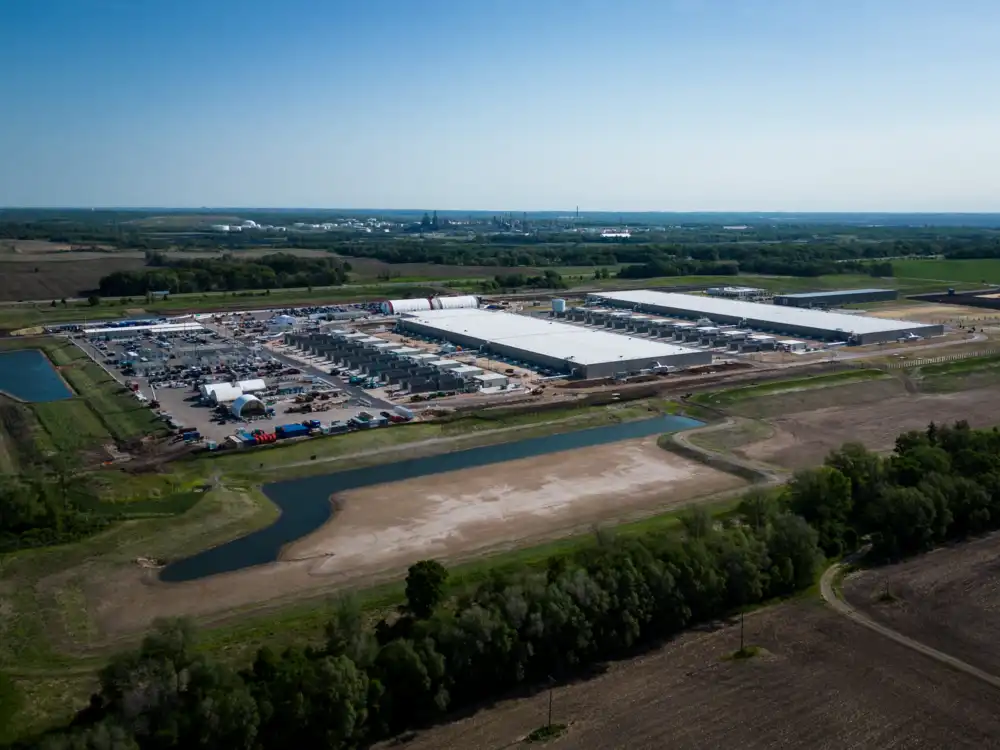
A fierce lobbying battle at the Minnesota Capitol has culminated in a significant victory for industrial developers and building trade groups, effectively freezing an aggressive suite of state environmental regulations aimed at hyperscale cloud facilities. Activists and some local community coalitions had aggressively pushed lawmakers to institute a strict two-year moratorium on the construction of massive data centers, arguing that the rapid, unchecked growth of generative artificial intelligence is moving far faster than state safety policy. However, a unified counter-front consisting of influential labor unions and business associations successfully halted the restrictive measures, warning that a sudden legislative pause would jeopardize thousands of high-paying construction jobs and deter tech giants from choosing the state for major investments.
The friction between local resource conservation and labor union political power has intensified as tech firms heavily scout municipal sites across the region. Opponents of the facilities raised alarms over the severe burdens these computing warehouses place on the state’s electrical grid and groundwater supplies, noting that some sites attempt to bypass direct public scrutiny by piggybacking on municipal utility caps rather than securing individualized, independent state permits. Local residents also voiced ongoing grievances regarding persistent noise, light pollution, and the widespread use of corporate non-disclosure agreements that prevent communities from examining projects early in the development phase. Despite these concerns gaining some bipartisan traction, industry advocates argued that non-disclosure agreements are standard negotiating tools, while trade unions successfully leveraged their immense legislative influence to guard the best sustained pipeline of trade work the region has seen in years.
Supporters of the facilities maintain that before adding more regulatory red tape, Minnesota should allow the progressive compromises enacted during previous legislative sessions time to fully mature. Existing frameworks already stipulate that massive data centers must completely absorb the cost of their infrastructure extensions so that utility bills are not unfairly passed down to residential ratepayers. Proponents emphasize that these centers contribute millions to municipal tax bases and offer vital avenues for economic development incentives.
While a handful of cities have initiated localized pauses to evaluate noise or zoning codes, the failure to establish an overarching, statewide moratorium means that at least a dozen multi-million-dollar technology campuses will continue moving forward through local approval tracks. Environmental watchdogs have pledged to return to the legislative chambers next year to push for mandatory closed-loop water systems and strict environmental impact reviews. Nevertheless, the current gridlock demonstrates that as long as the digital boom promises robust employment, the political coalition between organized labor and corporate enterprise remains an incredibly formidable barrier to any sudden regulatory crackdowns on the tech industry.