
Community-led public safety networks in Minnesota are facing an incredibly challenging summer as grass-roots violence interrupters work tirelessly to stabilize neighborhoods still deeply shaken by high-profile federal immigration enforcement shootings. Frontline outreach workers and local activists report that the residual terror left in the wake of recent highly militarized federal sweeps has profoundly disrupted years of carefully built community trust. As the metro area enters what street-level specialists formally call “trauma season”—the annual summer spike in gun violence caused by rising seasonal temperatures—the personnel tasked with de-escalating neighborhood disputes are scrambling to regain their competitive momentum.
The deep organizational unease stems from a sequence of highly volatile, tragic local events that occurred earlier this year during a mass deployment dubbed Operation Metro Surge. In January, Immigration and Customs Enforcement agents shot and killed 37-year-old local resident Renee Good on Portland Avenue, prompting widespread protests and immediate friction between community members and law enforcement. Just one week later, an ICE agent shot Julio Sosa-Celis, a local Venezuelan man, later resulting in the agent’s arrest for assault and filing a false report after street surveillance footage directly contradicted initial official claims. These consecutive fatal confrontations sent shockwaves through the city’s alternative public safety infrastructure, creating a chilling effect that forced several prominent violence prevention organizations to radically alter their daily intervention techniques.
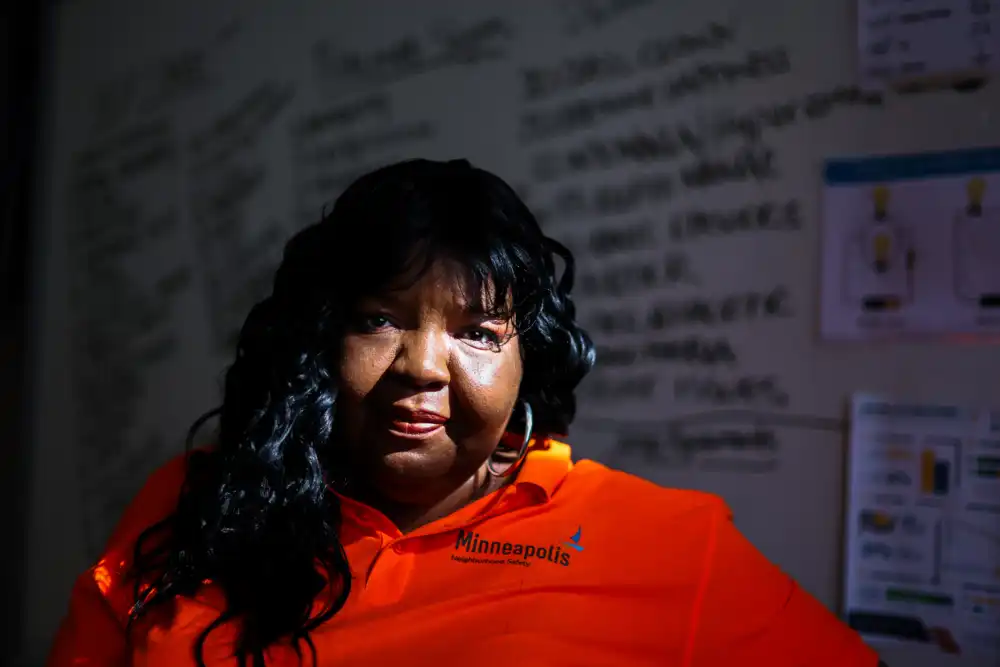
Connie Rhodes, executive director of the faith-based human services agency Restoration Incorporated, publicly acknowledged that the chaotic scenes transformed local neighborhoods into what closely resembled a war zone. Rhodes and her colleagues noted that many violence interrupters chose to pull back or take extended time away from the field entirely out of a legitimate fear of entering perimeter zones established by unpredictable federal agents. Similarly, Rashad Ahmed of Metro Youth Diversion highlighted how the overwhelming federal presence severely impacted the South Side, particularly within the local Somali immigrant community, causing vulnerable youth to withdraw from vital social support pipelines.
While recent municipal crime data reflects a positive trend—with citywide homicides down 14 percent and nonfatal shootings down 18 percent compared to the same period last year—activists remain highly cautious. The City Council has continued investing in targeted local programs, such as the newly formed Firearm Assault Shoot Team, to help address non-fatal retaliatory cycles. However, community organizers maintain that keeping neighborhoods safe during the grueling summer heat requires sustained, physical proximity. Despite navigating year-to-year funding uncertainties and dealing with the deep psychological impacts of state-inflicted trauma, frontline advocates emphasize that showing up to support grieving families and prevent retaliatory gunfire remains an absolute structural necessity.