
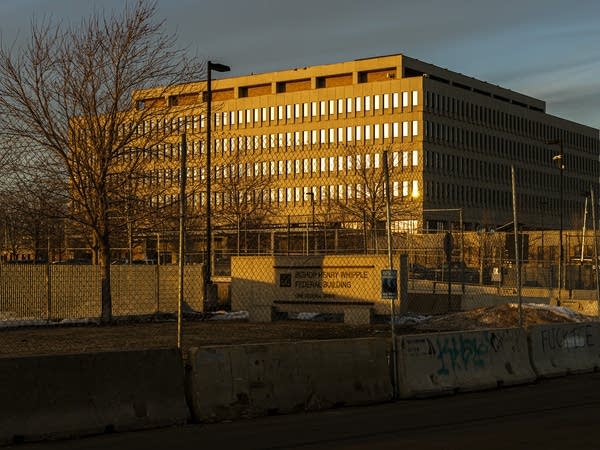
A federal judge extends order requiring access to lawyers for Minnesota immigration detainees, reinforcing legal protections for individuals held in detention as debates over due process continue across the United States. The ruling ensures that detainees in facilities across Minnesota maintain consistent access to legal counsel, a right advocates argue is essential to fair immigration proceedings.
The decision builds on earlier court interventions that found gaps in detainee legal access, particularly during periods of restricted visitation or administrative limitations. By extending the order, the federal court signals that access to legal representation is not optional but a fundamental component of the justice system. Legal experts note that immigration cases can be highly complex, often requiring professional guidance to navigate procedures, deadlines, and documentation requirements.
Advocacy groups working with Minnesota immigration detainees have welcomed the ruling, describing it as a necessary safeguard against potential rights violations. They argue that without reliable access to attorneys, detainees face significant disadvantages in presenting their cases, appealing decisions, or understanding their legal options. In many instances, detainees may not be fluent in English or familiar with U.S. immigration law, further underscoring the importance of legal support.
Government representatives have acknowledged the ruling and indicated compliance with the court’s directive, while also highlighting operational challenges within detention facilities. Authorities say they are working to balance security protocols with the need to facilitate confidential attorney-client communication. This includes measures such as scheduled legal visits, remote consultations, and improved coordination with legal service providers.
The broader context of the immigration court ruling reflects ongoing national discussions about due process US and the treatment of individuals in detention. Courts across the country have increasingly been asked to weigh in on issues ranging from detention conditions to access to legal resources. For many observers, these cases highlight the tension between immigration enforcement policies and constitutional protections.
Legal scholars emphasize that ensuring detainee legal access is not only a matter of fairness but also of judicial efficiency. Cases involving represented individuals tend to proceed more smoothly, with clearer documentation and more structured arguments. This can ultimately benefit both the courts and the individuals involved.
As the federal judge extends order requiring access to lawyers, the ruling is likely to influence similar cases beyond Minnesota, setting a precedent for how detention facilities manage legal access. For detainees and their families, the decision offers a measure of reassurance that their rights will be upheld during an often uncertain and challenging process.