
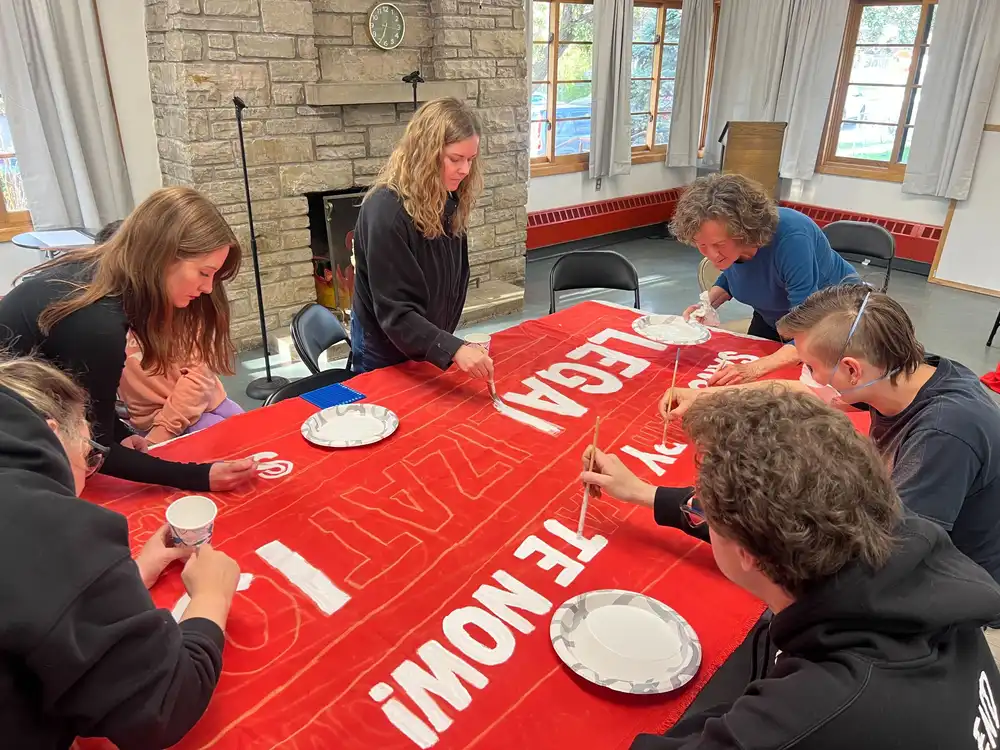
In Minneapolis, organizers preparing for this year’s May Day demonstrations say the political and social stakes feel significantly higher following a sustained period of intensified federal immigration enforcement. The phrase May Day organizers Minneapolis ICE surge stakes higher this year has become central to how local coalitions describe the current climate, as they link labor activism with immigration concerns and broader civil liberties debates.
According to reporting and statements from activist networks, the backdrop to this year’s mobilization includes a series of large-scale immigration enforcement actions in Minnesota that have generated widespread public reaction. Earlier in 2026, federal immigration operations in the state—often referred to in media coverage as an ICE surge—sparked protests, strikes, and coordinated “economic blackout” actions in Minneapolis and other cities. These demonstrations, according to Reuters and other outlets, drew tens of thousands of participants and led to significant disruptions across workplaces, schools, and public spaces.
Organizers say this environment has reshaped how they approach May Day planning. Community groups involved in labor rights and immigrant advocacy argue that immigration enforcement activity has increasingly affected working-class communities, particularly in sectors such as service work, logistics, and care industries. While federal authorities have defended enforcement operations as part of broader immigration policy implementation, local officials and civil society organizations in Minnesota have criticized aspects of the operations, citing concerns about community trust and due process.
This year’s May Day preparations build on earlier demonstrations that saw coordinated strikes and mass gatherings in Minneapolis, where participants called for changes to immigration enforcement practices and greater protections for immigrant families. Organizers now say they are attempting to broaden participation beyond traditional labor groups, bringing together unions, faith communities, and immigrant rights organizations under a shared platform.
However, officials and analysts note that the situation remains complex and politically sensitive. While protest movements emphasize economic pressure and peaceful demonstration, law enforcement agencies continue to maintain that immigration enforcement remains a federal responsibility. Authorities have also urged caution and adherence to lawful protest channels as large-scale events approach.
As May Day approaches, Minneapolis remains a focal point for national debates on labor rights, immigration policy, and civic activism. For organizers, the message is clear: this year’s demonstrations are not just symbolic, but deeply tied to ongoing disputes over enforcement, community safety, and political accountability.