
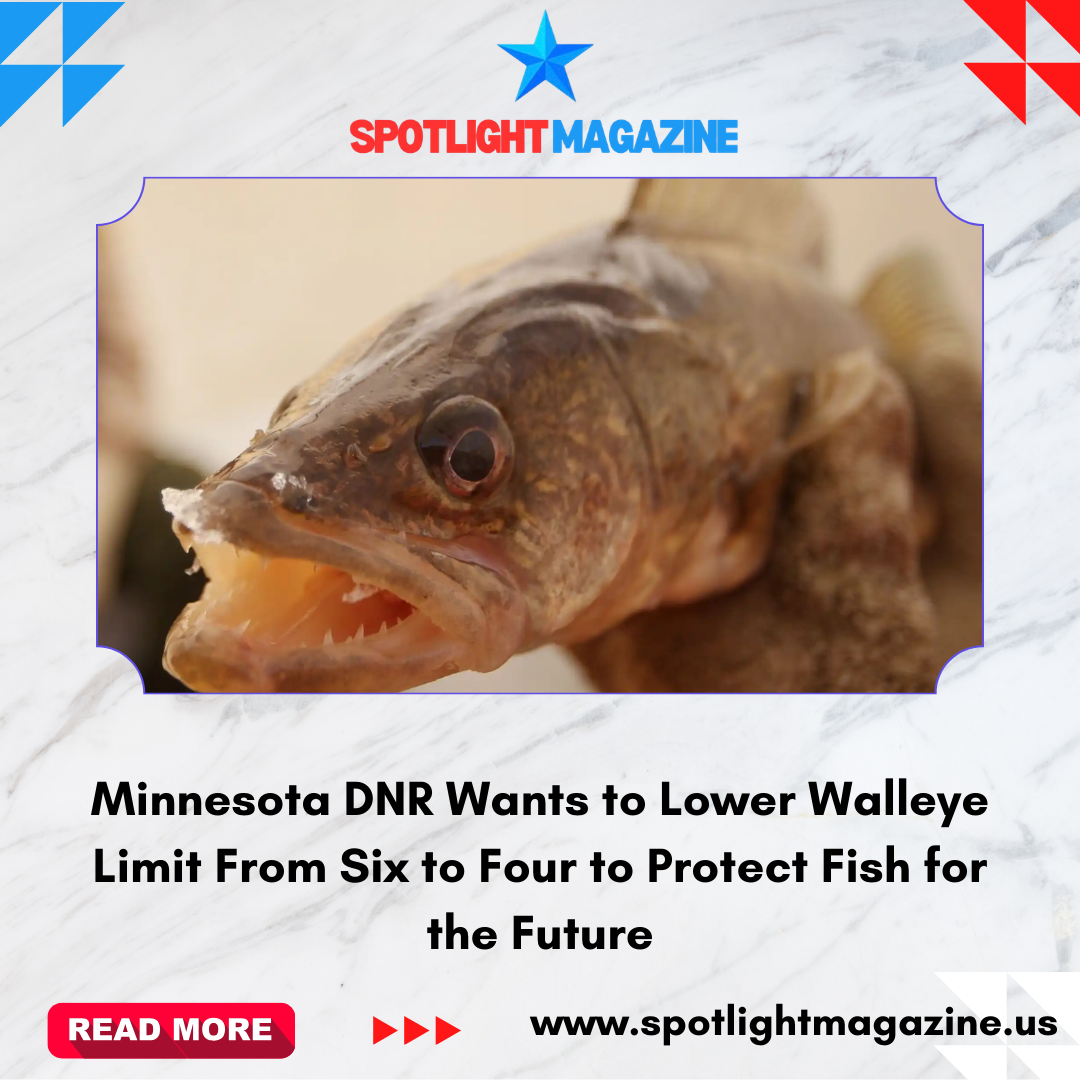
The Minnesota Department of Natural Resources (DNR) is proposing a change to fishing regulations that would reduce the statewide limit on how many walleye a person can keep. Right now, anglers on inland waters in Minnesota can take up to six walleyes per day and in possession. Under the DNR’s proposal, that number would drop to four. If approved, the change would take effect on March 1, 2027.
The proposal doesn’t change all walleye rules — one rule that would stay the same is the limit on big fish: an angler would still be allowed to have only one walleye longer than 20 inches in possession.
Officials with the DNR say they aren’t proposing this because walleye are in crisis right now. Instead, they want to be proactive and make sure walleye fishing stays healthy and enjoyable for years to come. Fishing traditions and regulation changes like this one can help protect fish populations so future generations of anglers can keep catching fish on Minnesota lakes.
The agency pointed to several reasons behind the proposal. One is climate change — changing temperatures and weather patterns can affect lake ecosystems and the fish that live in them. Another concern is invasive species, which have moved into Minnesota lakes and can disrupt the natural balance of the water and food sources that walleye depend on.
A third factor the DNR mentioned is how much fishing technology has changed over the years. Modern sonar and fish-finding equipment make it easier than ever to locate and catch fish. This means anglers might be able to find and catch more walleyes than they could decades ago, which could add pressure on the population.
Right now, the current six-fish limit on inland waters has been in place for many decades. The DNR’s records show that this rule has been part of Minnesota fishing regulations since 1956. Times have changed since then, and fishery officials say they want to update the rule to reflect those changes.
The DNR is also trying to make other parts of the rules clearer. For example, they want to explain more clearly how state regulations apply when fishing inland waters compared with border waters (lakes that form the boundary with another state). The proposal would make it clear that if two sets of rules seem to differ, the correct one will be the one listed in the other parts of the regulations.
People who fish in Minnesota or who care about fishing regulations are being invited to share their thoughts about the proposed change. Comments are being accepted until the afternoon of March 5, 2026. Anglers and others can send feedback through the DNR’s website, by email, by phone, or by mail.
Supporters of the change say it’s a way to preserve quality fishing. They point out that many other states and areas have lower limits or have made changes because of similar concerns about lake health and fishing pressure. By lowering the limit before serious population declines happen, the DNR hopes to keep walleye numbers strong and lakes full of healthy fish.
Some people might worry that reducing the limit could make fishing less fun or productive for anglers who enjoy catching and keeping fish. The DNR says it is listening to those concerns and wants to hear from the public before any decision is final. This rule change would go through a full rule-making process, which is part of how the state updates its fishing laws.
In short, the proposal would reduce how many walleyes someone can keep from six to four on most inland waters in Minnesota, keep the one-big-fish rule the same, and aims to help protect fish numbers as conditions change. The DNR wants public feedback before moving ahead, and if approved, the new rule would take effect in 2027.