
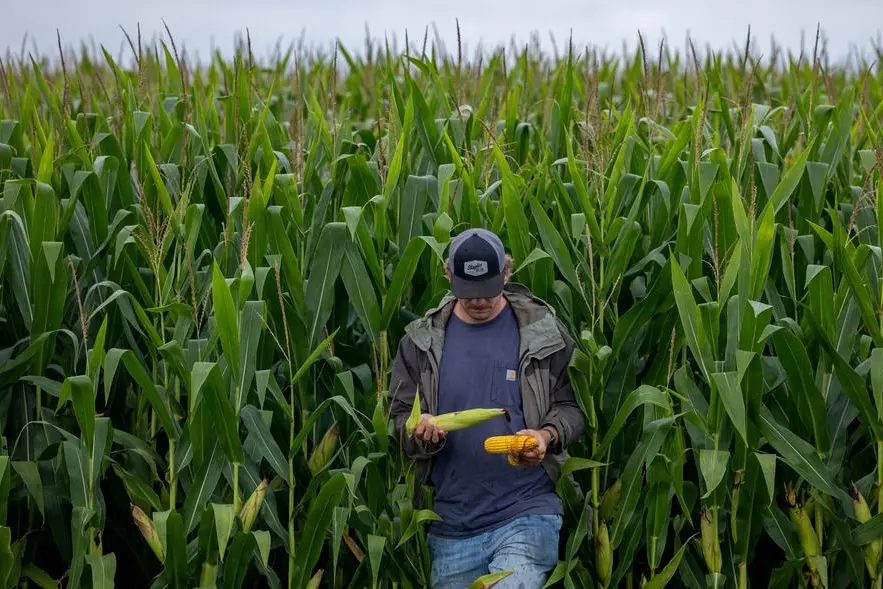
Minnesota farmers see a balancing act navigating effects of Iran war as global tensions ripple through agricultural markets, affecting everything from fuel costs to export demand. While the conflict is geographically distant, its economic consequences are being felt across rural communities in the United States, where farmers are closely watching price fluctuations and supply chain disruptions.
The phrase Minnesota farmers see a balancing act navigating effects of Iran war captures the uncertainty facing producers as they prepare for planting and marketing decisions. Rising oil prices, often linked to instability in the Middle East, have increased the cost of diesel fuel, fertilizers, and transportation. For farmers already operating on tight margins, these added expenses can significantly impact profitability.
At the same time, global agriculture markets are experiencing shifts in demand and trade flows. Conflicts can disrupt shipping routes and influence currency values, both of which affect the competitiveness of US agricultural exports. Minnesota, a major producer of corn and soybeans, relies heavily on international markets, making crop export uncertainty a key concern for local farmers.
Agricultural economists note that geopolitical impact on agriculture is not new, but each conflict brings unique variables. In this case, volatility in energy markets is a primary driver, influencing input costs across the farming sector. Some farmers may benefit from higher commodity prices if global supply tightens, but those gains are often offset by increased operational costs.
Minnesota farmers see a balancing act navigating effects of Iran war as they weigh these competing pressures. Decisions about how much to plant, when to sell, and how to manage risk have become more complex. Many are turning to forward contracts, crop insurance, and diversified planting strategies to protect against sudden market swings.
Government agencies and farm organizations have acknowledged these challenges, emphasizing the importance of monitoring global developments and providing timely information to producers. While no direct policy changes have been announced specifically in response to the conflict, existing support systems, including federal farm programs, may help cushion some of the financial impact.
For Somali communities in Minnesota, many of whom are engaged in small-scale farming or agricultural businesses, the situation highlights the interconnected nature of global events and local livelihoods. It also underscores the importance of resilience and adaptability in the face of uncertainty.
Minnesota farmers see a balancing act navigating effects of Iran war not just as an economic issue, but as a broader reflection of how global conflicts can influence everyday life far beyond their immediate region. As the situation evolves, farmers will continue to adjust, balancing risks and opportunities in an increasingly interconnected world.