
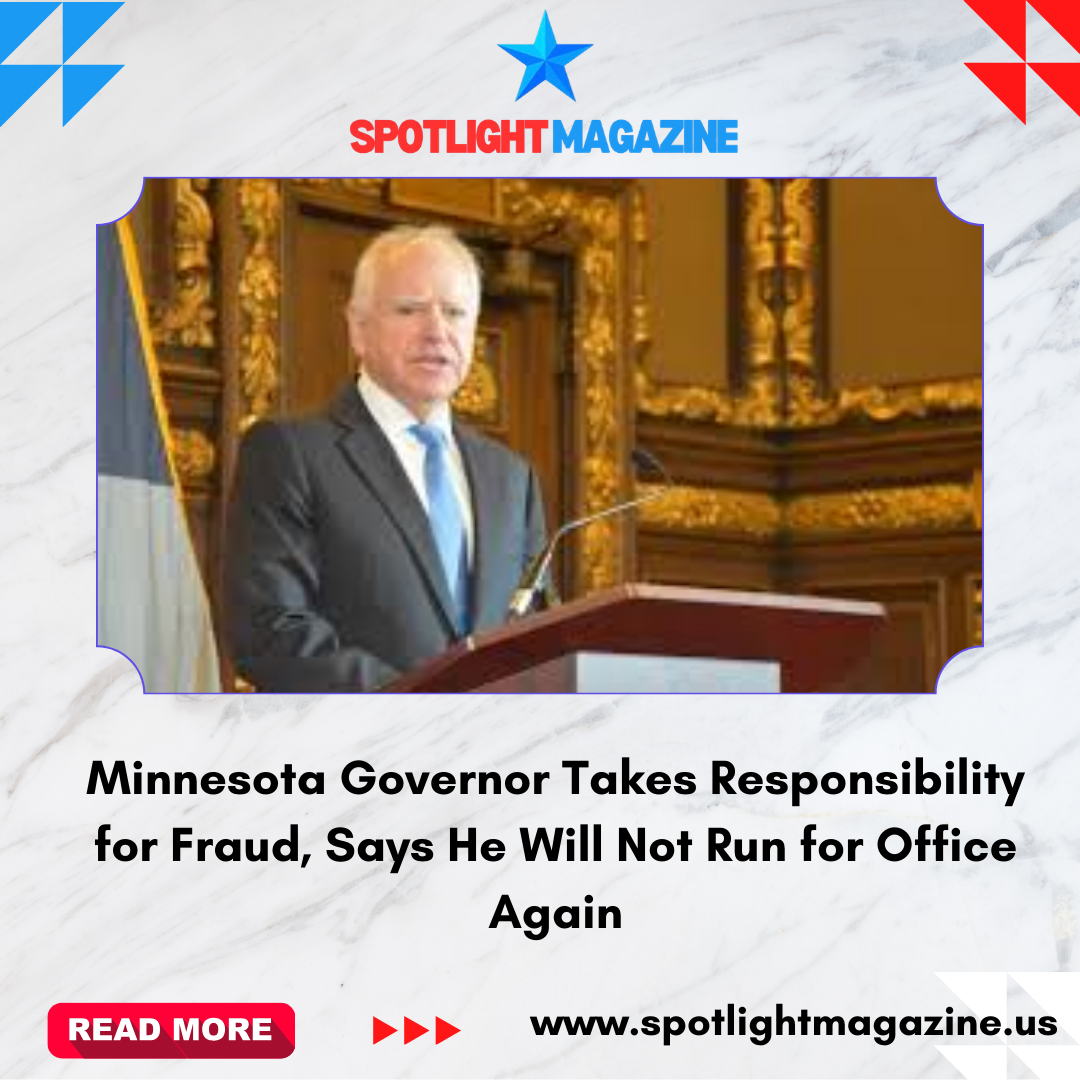
Minnesota Governor Tim Walz appeared before a U.S. House committee on March 4, 2026, to answer questions about a large fraud problem involving federal money in his state. Lawmakers from both parties spent hours questioning Walz about how fraud in programs meant to help people like low-income families, children, and people with disabilities grew so large under his leadership, and why it took so long for officials to stop it.
The hearing was part of a larger investigation by the House Committee on Oversight and Government Reform into alleged misuse of federal funds in Minnesota. Republican leaders and several lawmakers strongly criticized Walz, saying that billions of dollars intended for social services and Medicaid programs were stolen or misused over the years because state officials did not act quickly or firmly enough to stop fraudsters. They pointed to whistleblowers who told investigators that they raised concerns about fraud to state leaders, including Walz and Minnesota Attorney General Keith Ellison, but were ignored or even punished for speaking up.
One specific program that came up repeatedly in questions was Feeding Our Future, a nonprofit that received emergency federal funding meant to feed children during the pandemic. Federal prosecutors and lawmakers said the charity received hundreds of millions of dollars without adequate oversight, and that in some cases the money was spent on things that had nothing to do with feeding hungry kids. During the hearing, Republican Rep. Jim Jordan of Ohio confronted Walz about statements Walz made previously about a court order that he said required the state to resume payments to Feeding Our Future after concerns were raised. Jordan cited a statement from the Minnesota Judicial Branch saying no such order existed and accused Walz of misrepresenting the situation. Walz responded that officials at the state Department of Education had interpreted the court’s words in a way that led to the payments being restarted.
Walz did not deny the seriousness of the fraud issues, and at points during the hearing he accepted responsibility for what happened. In exchanges with members of the committee, he acknowledged that fraud took place on his watch and that it undermined public trust in government. In a notable moment, Walz told a congressman that “I’ve taken accountability for this,” and added that he would not seek any future elected office after his current term ends. He said he wants to focus on solving the fraud problems in Minnesota rather than running for re-election or another political job.
That decision to step away from running again was first announced earlier in the year, when Walz ended his bid for a third term as governor. He said at the time that dealing with the fallout from the fraud scandals required his full attention, and that campaigning would distract him from that work. Many political observers saw his withdrawal from the governor’s race as connected to the heat over the fraud investigations, with Republicans using the scandals as a central issue in their attacks and Democrats defending his record.
During the hearing, Walz also pushed back against some arguments from Republicans, saying that the state has been trying to fight fraud and improve oversight. He described steps Minnesota has taken to detect and prevent improper billing and payments, including new anti-fraud measures introduced in recent years. At times, Walz tried to shift part of the focus of the hearing to broader federal issues, including what he said were challenges in working with the federal government, such as enforcement actions that he felt made it harder to pursue fraud cases.
Some lawmakers on both sides of the aisle expressed concern about how such widespread fraud could happen and what it means for public confidence in government. Republicans argued that state leaders should have done more sooner and that failures allowed fraud to flourish. Democrats at the hearing sometimes criticized what they saw as political motivations behind the federal scrutiny and insisted that identifying and prosecuting fraud must be done fairly and thoughtfully.
By the end of the hearing, it was clear that the controversy over fraud in Minnesota’s social service programs will continue to be a major story in politics, both within the state and nationally. Walz’s choice not to run again, and his focus on accountability and reform, are likely to shape debates about how to prevent fraud and protect taxpayer funds in the future.