
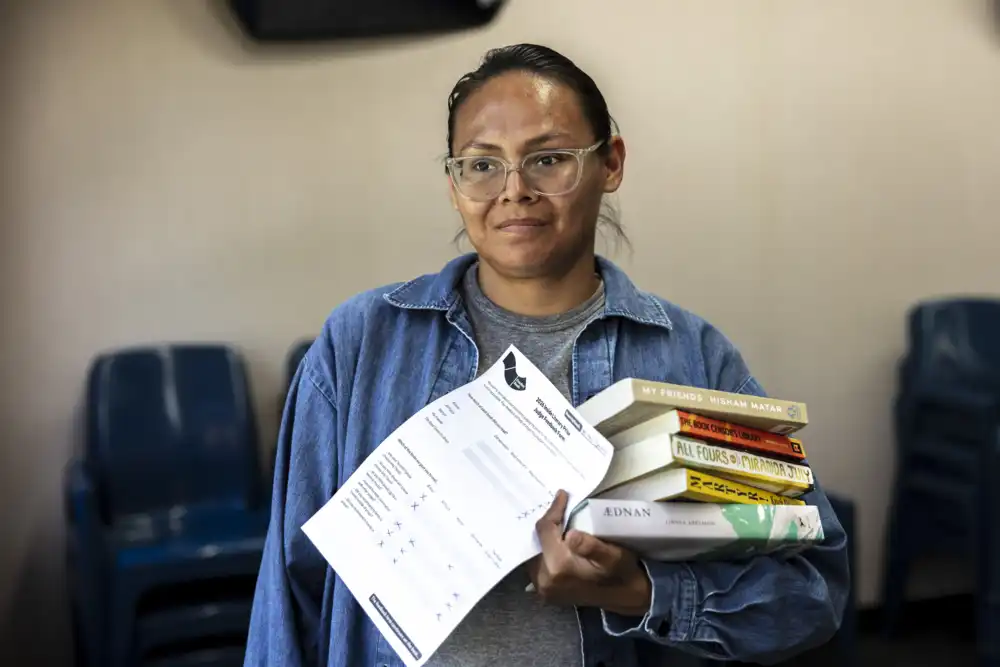
Minnesota incarcerated readers literary prize participation is bringing new attention to how voices from inside correctional facilities can shape national cultural conversations. Through a structured reading initiative, incarcerated individuals are helping select a winner for a recognized literary prize, offering perspectives often absent from traditional judging panels.
According to program organizers, the initiative is part of a broader effort to expand access to literature within prisons while also recognizing the value of diverse reader experiences. Participants are provided with a shortlist of books and invited to engage critically with the material before casting their votes. Organizers say the process mirrors standard literary evaluation practices, though adapted for correctional settings.
Early reports suggest that prison book programs Minnesota have seen growing engagement, with participants highlighting the opportunity to connect with contemporary writing and contribute to a national conversation. While exact participation figures have not been publicly detailed, facilitators indicate that interest has remained steady across multiple facilities.
The national book award inmate judges model reflects a shift toward more inclusive literary recognition. Experts in literary inclusion initiatives note that incorporating incarcerated readers can broaden understanding of how books resonate across different life experiences. However, they also emphasize that such programs depend on sustained institutional support and access to resources.
Correctional officials have acknowledged the educational benefits of reading programs prisons US initiatives, pointing to improved literacy, critical thinking, and personal development among participants. While these outcomes can vary, studies have often linked reading engagement in correctional settings to positive behavioral and rehabilitative effects.
Participants involved in the program have reportedly expressed appreciation for the opportunity to evaluate literature on equal footing with external readers. Observers say this aspect of the initiative helps challenge assumptions about who can contribute meaningfully to cultural discourse.
At the same time, organizers caution that logistical challenges remain, including book distribution, discussion facilitation, and coordination with correctional institutions. These factors can affect the consistency and reach of such programs.
The Minnesota incarcerated readers literary prize initiative underscores a growing recognition that literary engagement can extend beyond traditional spaces. By including incarcerated readers in the judging process, the program reflects an evolving approach to both education and cultural participation.
As similar efforts emerge across the United States, advocates say the model could influence how literary institutions think about inclusion, access, and the role of diverse audiences in shaping national recognition.