
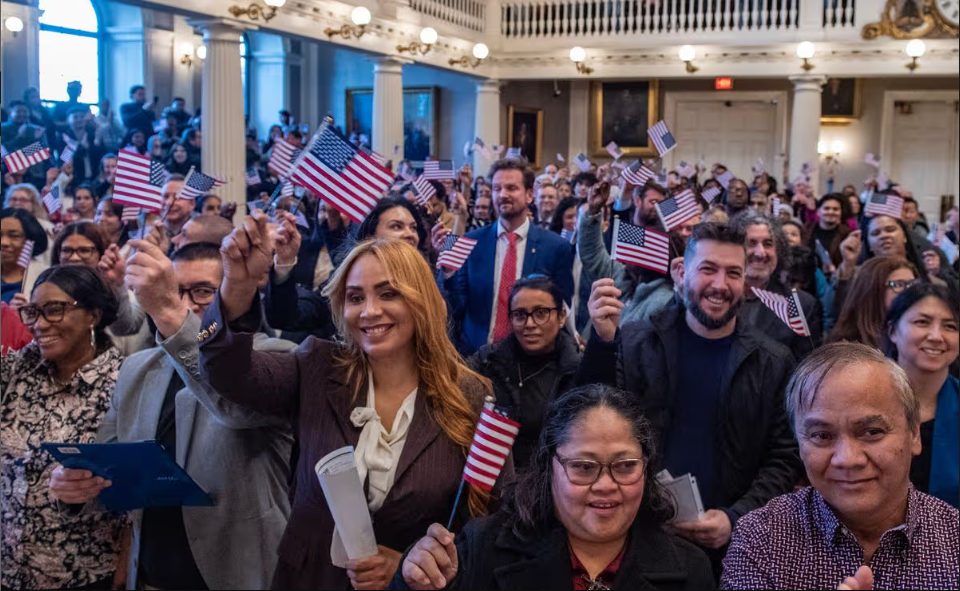
The sharp reality of the Minnesota oath ceremonies decline is being felt across immigrant communities, where growing delays in the final step of the citizenship process have left many applicants in prolonged uncertainty. For those who have already completed interviews and approvals, the wait for an oath ceremony—the last requirement to become a U.S. citizen—has become an unexpected and frustrating hurdle.
In cities across Minnesota, including the large Somali diaspora communities concentrated in Minneapolis and St. Paul, the slowdown has disrupted what is typically a celebratory and definitive moment in the naturalization journey. Applicants who expected to complete the process within weeks are now waiting months, with little clarity on timelines.
The Minnesota oath ceremonies decline has been linked to a combination of administrative constraints, staffing shortages, and broader backlogs affecting the U.S. immigration system. According to officials from U.S. Citizenship and Immigration Services, ceremony scheduling has been uneven in recent months, with fewer large-scale events being held compared to previous years.
For many immigrants, the delay is more than symbolic. Without formal citizenship, individuals remain unable to vote, apply for certain federal jobs, or fully participate in civic life. This has intensified concerns among advocacy groups, who warn that immigrants in limbo USA are facing both practical and emotional challenges as they await resolution.
Legal experts note that while the naturalization process delays are not entirely new, the scale of the current slowdown in Minnesota stands out. Some attribute it to logistical changes in how ceremonies are conducted, including a shift away from large gatherings toward smaller, more frequent events—a transition that has not kept pace with demand.
Community organizations within Minnesota’s Somali population have begun raising awareness about the issue, urging authorities to increase the frequency of ceremonies and address bottlenecks in the system. Many applicants have already spent years navigating the broader US immigration backlog, making the final delay particularly difficult to accept.
At the federal level, immigration authorities have acknowledged ongoing challenges but emphasize efforts to streamline operations and reduce waiting times. However, for those affected, progress feels slow. The uncertainty surrounding when ceremonies will resume at normal capacity continues to weigh heavily on individuals and families who have built their lives in the United States.
The Minnesota oath ceremonies decline highlights broader structural pressures within the immigration system, where administrative inefficiencies can have deeply personal consequences. As policymakers debate reforms and agencies work to clear backlogs, thousands remain caught in the final stage of a process that promises belonging—but, for now, delivers only delay.