
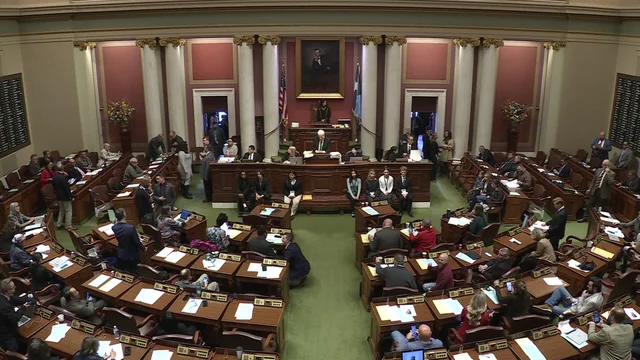
The Minnesota Senate approves a historic rule change that will allow children on the chamber floor for the first time, marking a notable shift in how legislative spaces accommodate working parents. The decision reflects evolving attitudes toward family life in politics and aims to make public office more accessible to lawmakers with young children.
The move comes after growing calls from legislators and advocacy groups to modernize long-standing rules that many viewed as outdated. Previously, strict guidelines limited who could be present on the Senate floor during proceedings, effectively excluding children and creating challenges for lawmakers balancing professional duties with parenting responsibilities. With the new policy, senators will now be permitted to have their children present under defined conditions.
Supporters of the change argue that it is a practical and symbolic step toward inclusivity in Minnesota politics. They point out that many workplaces across the United States have already adopted more flexible approaches to family needs, and legislative bodies should not be an exception. For elected officials who are also parents, particularly mothers of young children, the rule change is seen as a way to reduce barriers to participation in governance.
The Minnesota Senate approves this adjustment at a time when conversations about representation and work-life balance are gaining traction nationwide. Advocates say such reforms could encourage more diverse candidates to run for office, knowing that institutional structures are adapting to reflect modern realities. The presence of children in the chamber, they argue, can also humanize the political process and foster a more relatable image of leadership.
Critics, however, have raised concerns about maintaining decorum and ensuring that legislative proceedings remain orderly. Some question how the new rule will be implemented in practice and whether it could introduce distractions during critical debates. Senate leaders have responded by emphasizing that guidelines will be in place to ensure that proceedings continue without disruption.
This legislative policy change aligns Minnesota with a growing number of jurisdictions that have revisited traditional rules in favor of more family-friendly practices. Similar measures have been introduced in other state legislatures and even in national parliaments around the world, reflecting a broader cultural shift.
As the Minnesota Senate approves this new approach, the decision is likely to resonate beyond the state, contributing to ongoing discussions about how institutions can better support working parents in government. For many, it represents a small but meaningful step toward a more inclusive and adaptable political environment.