
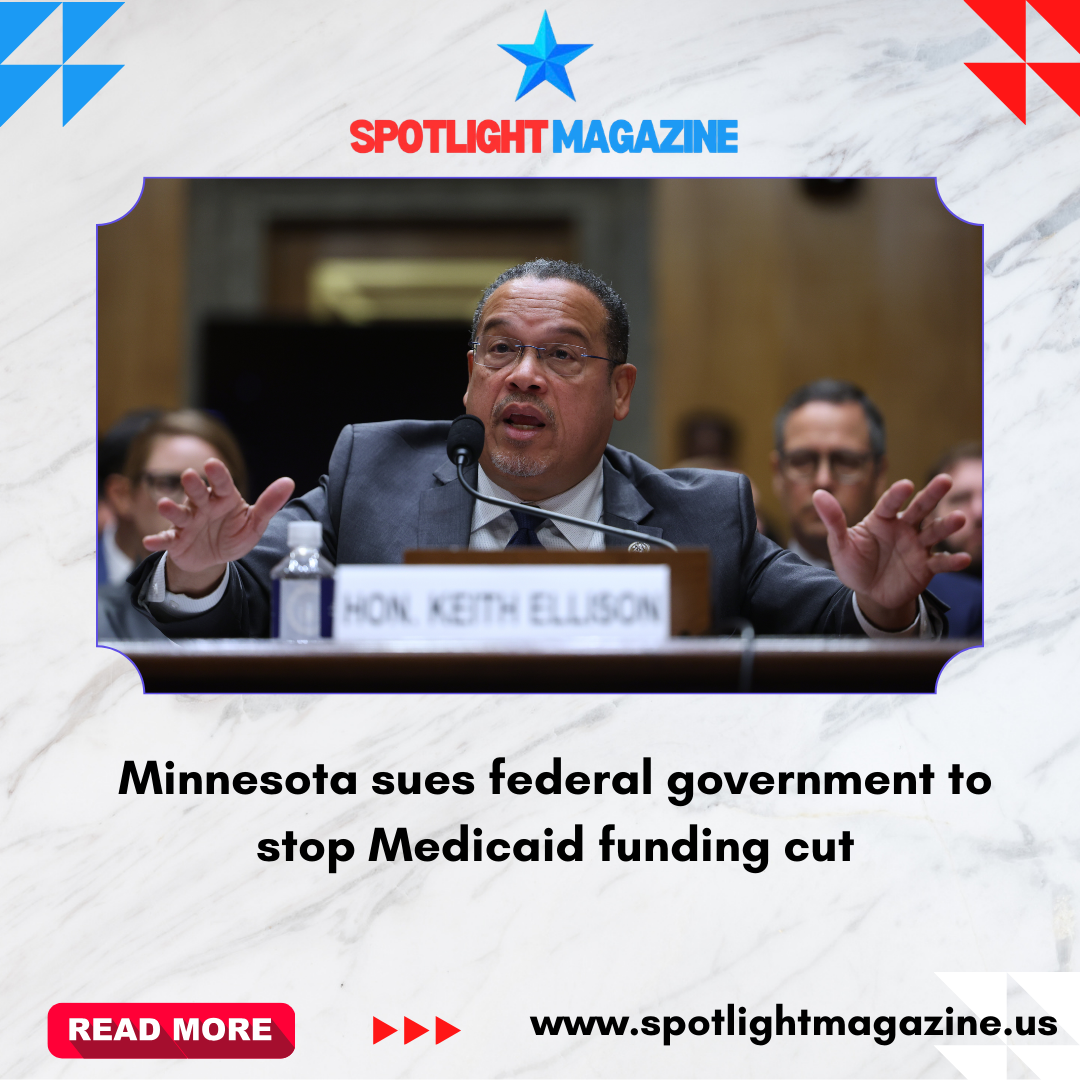
Minnesota is taking legal action against the U.S. federal government to stop it from withholding a large amount of money meant to help the state care for low-income residents. On March 2, 2026, state officials filed a lawsuit in federal court in Minneapolis because federal health authorities have moved to hold back $243 million in Medicaid funding that Minnesota was expecting. Minnesota leaders say this move could seriously hurt health care services for people who rely on the program.
Medicaid is a government health insurance program that helps people who might not otherwise be able to afford care. In Minnesota, the program is called Medical Assistance, and it provides coverage for more than 1.2 million people, including families, seniors, people with disabilities, and others with low incomes. A typical family of four in Minnesota can qualify for this coverage if their income is below a certain level — around $42,759. The money the state receives from the federal government helps pay for doctor visits, hospital stays, prescriptions, and other medical needs for residents who would struggle to pay out of pocket.
The dispute began after federal officials said they suspected Minnesota’s Medicaid system was not doing enough to prevent fraud and misuse of funds. In January, the federal government warned Minnesota that it might withhold more than $2 billion in annual Medicaid funding because of what it called potential violations of federal rules. Minnesota quickly appealed that decision and entered a process meant to sort out disagreements about compliance with the rules. However, that process takes time and requires an administrative hearing.
While that administrative process was still underway, the federal government in late February took further action. It used a tool known as “deferral,” which allows federal health officials to delay payments on certain Medicaid claims when the documentation supporting those claims is questionable. In this case, Minnesota was told that more than $259 million in Medicaid payments would be deferred, and about $243 million of that was tied to what officials considered “high-risk” parts of the Medicaid program. Rather than waiting for a full hearing to prove whether Minnesota had actually failed to meet federal standards, the federal government began withholding the funds immediately — a step that Minnesota sees as unfair and legally improper.
Minnesota’s lawsuit argues that this action violates the Due Process Clause of the U.S. Constitution and other federal laws. The state says the federal government did not give enough information about why it believes Minnesota is not complying with federal rules, nor did it allow the state a proper chance to challenge those claims before the funds were withheld. The lawsuit also notes that rules governing federal funding conditions must be clear and unambiguous, and that withholding money before a hearing undermines the legal protections meant to prevent arbitrary government actions.
State officials, including Attorney General Keith Ellison, have been outspoken in their criticism of the federal move. Ellison said Minnesota already has a strong record of fighting fraud and abuse in its Medicaid system, including securing hundreds of fraud convictions and recovering millions of dollars in judgments and restitution. He described the withholding of funds as harmful to the people who most need health care and said the state would fight what he called a punitive and unfair action.
Federal officials, including those at the Centers for Medicare and Medicaid Services (CMS) and the Department of Health and Human Services (HHS), have not publicly commented in detail on the lawsuit itself. But the initial decision to pause funding was explained by federal leaders as part of an effort to enforce rules and prevent misuse of taxpayer dollars. CMS Administrator Dr. Mehmet Oz and HHS Secretary Robert F. Kennedy Jr. are named in the lawsuit because they head the agencies involved in the decision.
If the federal government is allowed to withhold the funds while the lawsuit plays out, Minnesota says it may have to make tough choices that could include cutting other government services or reducing health care coverage for low-income families. The state is asking the court to issue a temporary restraining order that would immediately stop the federal government from holding back the money while the legal process continues.