
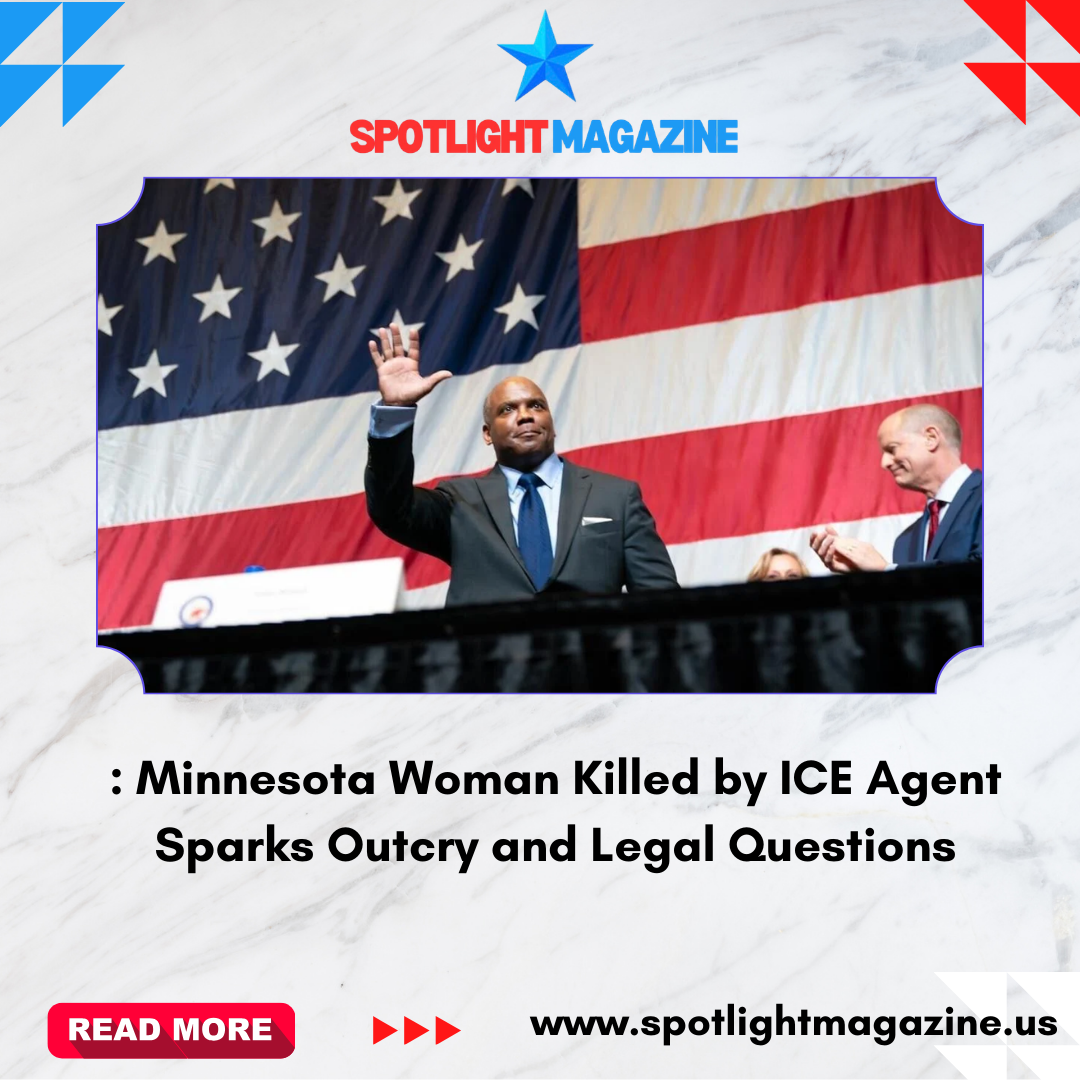
In early January 2026, federal immigration officers from the U.S. agency Immigration and Customs Enforcement (ICE) were in Minneapolis, Minnesota as part of a large immigration enforcement operation. During that operation, a 37-year-old Minneapolis woman named Renee Nicole Good was shot and killed by an ICE officer.
According to federal officials from the Department of Homeland Security (DHS), the ICE officers were trying to push forward with their work when Good’s vehicle became involved with their activity. DHS said the SUV she was driving blocked part of the road and that she tried to drive toward the officers, which the federal agency described as an attempt to harm them. In response, an ICE officer fired his weapon at the woman, striking and killing her. Federal officials, including DHS Secretary Kristi Noem and President Donald Trump, called the shooting justified and said the agent acted in self-defense. They repeated the claim that the woman had attempted to ram officers with her vehicle.
Residents and local leaders disputed the federal government’s account. Minneapolis Mayor Jacob Frey strongly rejected the description of the event given by DHS, saying that the narrative of self-defense was untrue and misleading. He expressed anger at the federal immigration presence in the city and criticized how the situation was handled. Minnesota Gov. Tim Walz also voiced frustration, arguing that the operation was causing fear and disorder rather than safety.
After the shooting, people in Minneapolis gathered around the area where the incident happened. Some protested, expressing grief and outrage at the violence and the federal enforcement operation. Demonstrations and public reaction quickly spread, reflecting deep community concern over the involvement of federal immigration agents in local neighborhoods.
At the same time, Minnesota state investigators were originally working with the Federal Bureau of Investigation (FBI) to collect evidence and study what happened. But the U.S. Attorney’s Office later decided that only the FBI would lead the investigation, and state officials were no longer allowed access to witness interviews, evidence from the scene, or materials needed to independently review the case. Minnesota’s Bureau of Criminal Apprehension reluctantly withdrew from the investigation after that change. This decision raised criticism from state officials who said the public deserved transparency and a thorough, independent review.
Because of what happened to Good, questions have been raised about how and when federal officers use deadly force. The incident has sparked discussion about accountability, the roles of local versus federal law enforcement, and how communities are impacted by large enforcement operations. Leaders from both sides of the debate have called for clearer investigations, and some have encouraged anyone with video or information about the shooting to share it with authorities so all perspectives can be considered.