
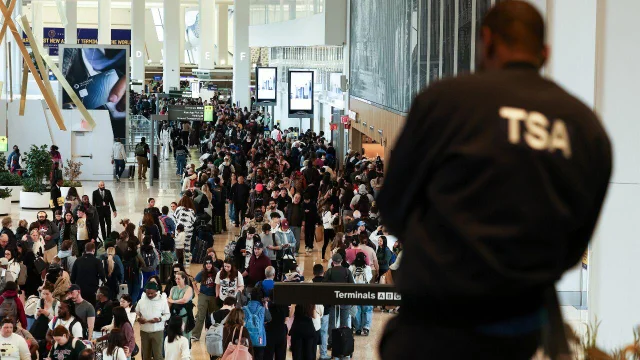
The Senate approves funding for most of DHS in a decisive move that came just hours after Donald Trump pledged to restart pay adjustments for Transportation Security Administration workers, highlighting a fast-moving shift in U.S. homeland security policy. The timing of the announcement has drawn attention in Washington, where lawmakers and analysts are closely watching how funding decisions intersect with workforce concerns.
The approved funding package ensures continued operations for the Department of Homeland Security, which oversees critical functions ranging from border protection to aviation security. Lawmakers emphasized the importance of maintaining stability within the agency, particularly as global and domestic security challenges continue to evolve. The decision is seen as a step toward avoiding disruptions that could affect national security operations.
Central to the discussion is the issue of compensation for Transportation Security Administration personnel. Trump’s remarks about restarting TSA pay adjustments have reignited debate over wage structures, recruitment, and retention within the agency. TSA workers have long raised concerns about pay disparities compared to other federal employees, with unions and advocacy groups calling for reforms to address these gaps.
Supporters of the funding bill argue that it provides necessary resources to sustain essential services while creating room for policy adjustments, including those related to employee compensation. Critics, however, point out that funding alone may not resolve deeper structural issues within the agency, particularly when it comes to workforce morale and long-term planning.
The broader context of US homeland security funding reflects ongoing negotiations in Congress over budget priorities and fiscal responsibility. In recent years, DHS budget approval processes have often been marked by political disagreements, with debates focusing on border security, immigration enforcement, and counterterrorism initiatives. The latest vote suggests a degree of consensus, at least in ensuring that core operations remain funded.
Policy experts note that the linkage between funding decisions and workforce policies is becoming increasingly significant. As federal agencies face growing demands, the ability to attract and retain skilled personnel is seen as essential to operational effectiveness. In this regard, the conversation around TSA workers pay is likely to remain a focal point in the months ahead.
As the Senate approves funding for most of DHS, attention now turns to implementation and oversight. Lawmakers are expected to monitor how funds are allocated and whether proposed changes to compensation structures materialize. For many observers, the developments underscore the complex interplay between politics, policy, and the practical realities of managing one of the country’s largest federal departments.