
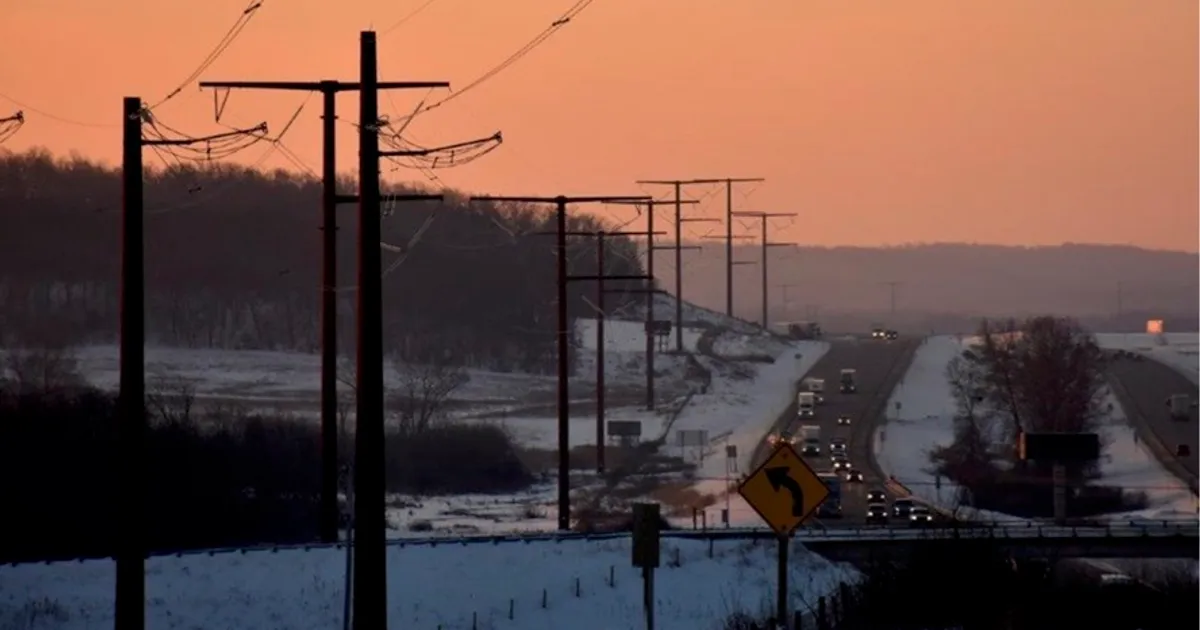
The Southeast Minnesota green energy transmission line project is drawing increasing scrutiny as residents, environmental groups, and local officials raise concerns about its potential ecological impact. While the initiative is part of a broader push to expand renewable energy infrastructure across the United States, critics argue that the project’s environmental costs may be underestimated.
Planned across parts of Minnesota, the transmission line is designed to carry electricity generated from renewable sources such as wind and solar to population centres. Proponents say the Southeast Minnesota green energy transmission line is essential for modernising the grid and reducing reliance on fossil fuels. However, the route of the proposed line has become a focal point of debate.
Local residents in rural communities have voiced concerns about land use, property rights, and the long-term impact on agricultural areas. Many farmers worry that the construction and maintenance of large transmission towers could disrupt farming operations and reduce land value. Others have questioned whether alternative routes or underground options were sufficiently considered during the planning process.
Environmental advocates have also highlighted potential risks to wildlife and natural habitats. The region is home to diverse ecosystems, including migratory bird pathways and sensitive forest areas. Experts warn that poorly planned transmission infrastructure can fragment habitats and increase collision risks for birds, particularly in areas where tall structures intersect flight paths.
The environmental concerns Minnesota communities are raising reflect a broader national conversation about how to balance the urgent need for renewable energy with the protection of local ecosystems. While renewable projects are generally seen as environmentally beneficial, their implementation often presents complex trade-offs at the local level.
Developers and state authorities have responded by emphasising that environmental impact assessments are part of the approval process. They argue that the Southeast Minnesota green energy transmission line will ultimately contribute to reducing greenhouse gas emissions and supporting long-term climate goals. Mitigation measures, such as route adjustments and wildlife protection strategies, are also being considered to address community concerns.
At the same time, critics say more transparency and community engagement are needed. Public hearings and consultations have become key platforms for residents to express their views, with some calling for independent reviews of the project’s environmental impact. The debate has underscored the importance of inclusive decision-making in large-scale infrastructure projects.
The power line project USA is pursuing in this region highlights the evolving challenges of the energy transition. As governments and companies accelerate investments in renewable energy, questions about land use, environmental protection, and community consent are becoming increasingly prominent.
For many observers, the situation in southeast Minnesota illustrates a critical balancing act. The shift toward cleaner energy is widely supported, but how and where infrastructure is built remains a contentious issue. As discussions continue, the outcome of the Southeast Minnesota green energy transmission line debate may influence how similar projects are approached in the future.