
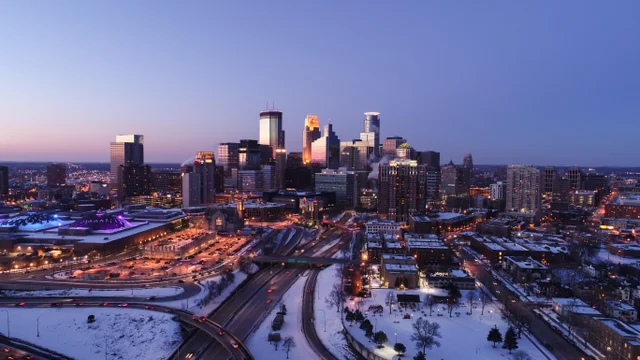
St. Patrick’s Day snow in the Twin Cities brought a wintry surprise to residents before a rapid warmup signaled a swift transition toward spring. The brief return of snowfall on March 17, typically associated with milder conditions, highlighted the unpredictable nature of Minnesota’s seasonal shifts.
Light to moderate snow was reported across the Minneapolis–Saint Paul metropolitan area early in the day, creating slick roads and reduced visibility during morning commutes. According to local meteorologists, the system moved quickly through the region, limiting overall accumulation but still marking a notable weather event for a date often tied to celebrations and outdoor gatherings.
The St. Patrick’s Day snow in the Twin Cities, while not unprecedented, stands out because of what followed. Forecasters from the National Weather Service indicated that temperatures were expected to rise sharply within 24 to 48 hours, with daytime highs climbing well above freezing. This rapid temperature increase is part of a broader Twin Cities weather forecast trend often seen in late March, when winter systems begin to lose their grip.
Meteorologists explained that such snow-to-warmup transitions are common in Minnesota spring weather, driven by shifting air masses and stronger solar heating as the season progresses. Cold air lingering from the north can still bring snowfall, but warmer air from the south increasingly dominates, leading to quick melting and fluctuating conditions.
For residents, the immediate impact was a mix of inconvenience and anticipation. Snow-covered streets quickly turned slushy as temperatures climbed, while melting ice raised concerns about localized flooding in low-lying areas. City officials urged caution, particularly for drivers navigating early morning conditions, and reminded homeowners to clear drainage paths as the thaw accelerated.
The St. Patrick’s Day snow in the Twin Cities also served as a reminder of the region’s climate variability. While many associate mid-March with the onset of spring, historical weather patterns show that snowfall during this period is not unusual. However, what makes this event notable is the speed of the subsequent temperature rise, underscoring a pronounced seasonal weather shift.
Experts note that such fluctuations can have broader implications, particularly for infrastructure and public health. Rapid freeze-thaw cycles can damage roads and sidewalks, while also increasing the risk of slips and falls. At the same time, the warming trend brings renewed optimism for spring activities, as longer days and milder conditions begin to take hold.
As the snow melts and temperatures continue to climb, the Twin Cities appear poised to move decisively into spring. For now, the brief return of winter on St. Patrick’s Day offers a familiar reminder that in Minnesota, the seasons rarely change without a final surprise.