
Trump threatens Iran as tensions in the Middle East mount, with the ongoing Israel-Lebanon conflict casting uncertainty over the fragile ceasefire recently brokered by the United States. The president’s latest remarks underscore the volatile nature of diplomatic efforts in a region already grappling with complex political and security challenges.
The dispute emerged following heightened military activity along the Israel-Lebanon border, where clashes have intensified over territorial and strategic disputes. Analysts say these developments put the previously agreed ceasefire under severe strain, prompting US officials to warn of potential escalation if Iranian-backed groups are implicated. Trump threatens Iran directly, signalling that Washington remains prepared to take decisive action to protect its interests and regional allies.
Experts in US foreign policy note that the president’s statements reflect a broader strategy aimed at deterring Tehran from escalating proxy conflicts. “The message is clear: any attempts to undermine the ceasefire or support aggression against Israel will have consequences,” said a Middle East policy analyst based in Washington. The remarks come amid a period of heightened scrutiny over Iran’s regional activities, including support for Hezbollah in Lebanon.
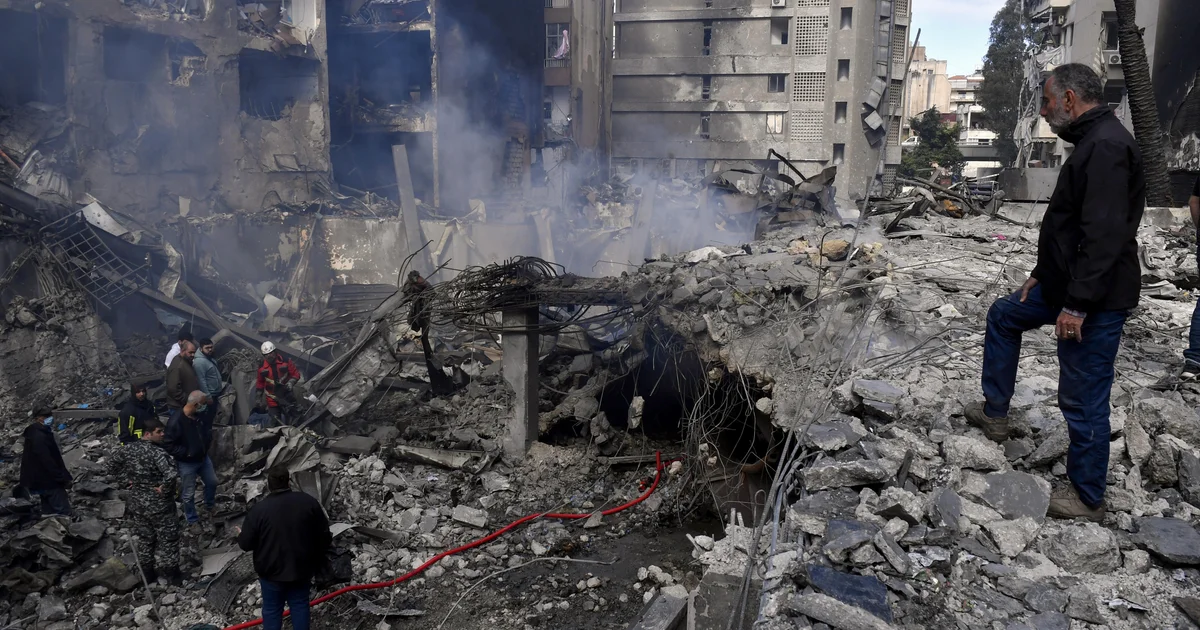
The Israel-Lebanon conflict, now entering its second month, has already caused significant civilian displacement and infrastructure damage. Humanitarian organizations have voiced concern that any renewed hostilities could exacerbate an already dire situation. International observers caution that the fragile ceasefire, which was intended to halt further escalation, may collapse if diplomatic channels fail to hold.
Regional security experts emphasize that Trump threatens Iran in the context of a wider US-led effort to stabilise the Middle East. While military threats are part of the strategy, the administration continues to engage in multilateral talks aimed at maintaining peace along the Lebanon-Israel border. Nonetheless, the balance remains precarious, with each side closely monitoring developments that could trigger wider conflict.
The recent escalation highlights the challenges of enforcing ceasefires in regions with deeply entrenched political and sectarian tensions. While the United Nations has called for restraint and dialogue, the reality on the ground remains fraught with uncertainty. Local leaders in Lebanon and Israel are under pressure to maintain order, while Tehran faces increasing international scrutiny over its involvement in proxy conflicts.
For Somalia and other nations following Middle East developments, the episode serves as a reminder of how regional conflicts can have far-reaching implications for global stability. Trump threatens Iran in this delicate period, signalling a willingness to leverage US influence to deter further aggression while advocating for the preservation of a tenuous peace framework. As negotiations continue, the world watches closely to see whether diplomacy can prevail over military posturing.