
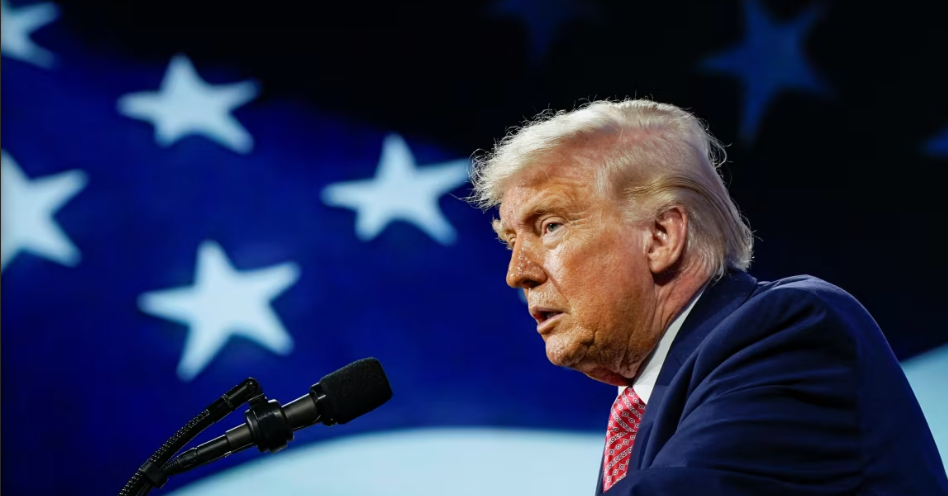
Trump’s conflicting signals on Iran war frustrate GOP lawmakers, highlighting growing unease within Republican ranks as the conflict enters its fourth week. The evolving situation has exposed divisions over U.S. strategy, with some party members expressing concern about inconsistent messaging from Donald Trump and its potential impact on both domestic politics and international relations.
In recent weeks, statements from Trump have alternated between calls for de-escalation and assertions of military readiness, leaving allies uncertain about the administration’s long-term approach. Lawmakers within the Republican Party have voiced frustration over what they describe as a lack of clarity, arguing that coherent communication is essential during a time of heightened geopolitical tension.
The uncertainty comes amid broader debates surrounding US Iran war policy, particularly as the conflict continues to influence global markets and regional stability. Some GOP leadership figures have urged a more defined strategy, emphasizing the need to reassure allies and maintain a consistent diplomatic posture. Others have defended the administration’s flexibility, suggesting that shifting signals may be part of a broader negotiation tactic.
Political analysts note that such divisions are not uncommon during periods of international crisis, but the current situation has intensified scrutiny due to its implications for Middle East conflict politics. The stakes are high, with potential consequences for energy security, military engagement, and global alliances. In this context, even subtle changes in rhetoric can carry significant weight.
Within Congress, discussions have also focused on the balance of power in shaping foreign policy decisions. Some lawmakers have called for greater consultation and transparency, arguing that legislative oversight is crucial in matters of war and peace. These concerns reflect ongoing foreign policy debate US, where questions about authority and accountability often come to the forefront during military conflicts.
Meanwhile, international observers are closely monitoring the situation, seeking signals that might indicate a path toward resolution or escalation. Allies of the United States have expressed a desire for clear communication, noting that uncertainty can complicate coordinated responses and diplomatic efforts.
As Trump’s conflicting signals on Iran war frustrate GOP lawmakers, the issue underscores the challenges of navigating complex geopolitical landscapes while managing domestic political expectations. The coming weeks are likely to be pivotal, as policymakers attempt to reconcile differing perspectives and establish a more unified approach.
For now, the situation remains fluid, with both political and strategic considerations shaping the narrative. Whether the current tensions lead to a recalibration of policy or further divisions within the party will depend on how leadership responds to mounting concerns from within its own ranks.