
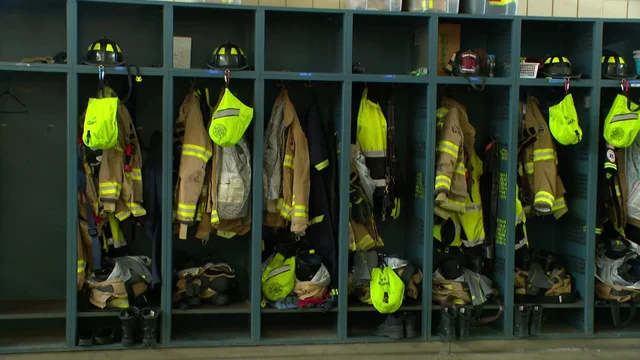
A contentious public infrastructure funding dispute is boiling over in the Twin Cities metro area as local homeowners organize a formal petition campaign against the Vadnais Heights City Council’s multi-million-dollar emergency services expansion plan. Tensions escalated sharply following a unanimous municipal vote on May 19, 2026, where the mayor and city council members approved a substantial $33.3 million bond package to construct a brand-new facility. The decision bypasses traditional voter referendums, igniting severe local government spending pushback from residents who argue that the sudden financial obligation was forced onto taxpayers without an open, democratic ballot process.
The immediate financial consequence of the infrastructure plan has driven widespread property tax hike concerns among local working families. Municipal financial documents indicate that the 30-year capital improvement bonds will require an additional monthly property tax assessment ranging from $30 to $65 per household, directly correlated to individual home valuations. For an average single-family property, this equates to roughly an extra $60 per month or $720 annually. Local organizers contend that the steep rate increases are far too heavy a burden during a time of persistent nationwide inflation, arguing that the city’s initial 2023 design estimate of $19 million has ballooned beyond reason in less than three years.
City administrators have staunchly defended the absolute necessity of the Vadnais Heights fire station overhaul, pointing to urgent structural and operational limitations within the community’s existing safety architecture. Built originally in 1994, the current South Fire Station is entirely unequipped to manage a modern, full-time emergency services model. As Vadnais Heights transitions away from a historic, volunteer paid-on-call framework toward a professional, 24-hour response unit, the existing facility lacks the designated overnight sleeping quarters, specialized living spaces, and safety decontamination zones required by current state and federal labor standards. While the city initially explored basic renovations, engineering firms ultimately concluded that constructing a new complex directly attached to City Hall would yield superior long-term cost efficiencies.
As community backlash continues to intensify, local residents have actively mobilized a grassroots petition drive aimed at gathering enough certified signatures to force the city council to either rescind the funding plan or place the bond initiative directly onto an upcoming public election ballot. This movement mirrors recent successful tax pushback efforts in neighboring suburban municipalities, highlighting an expanding regional resistance to rising localized tax burdens. With municipal leaders feeling the pressure, the city council may face a critical vote to either pause early construction bid packages or hire outside communication teams to bridge the deep information gap with angry voters before the project breaks ground later this summer.