
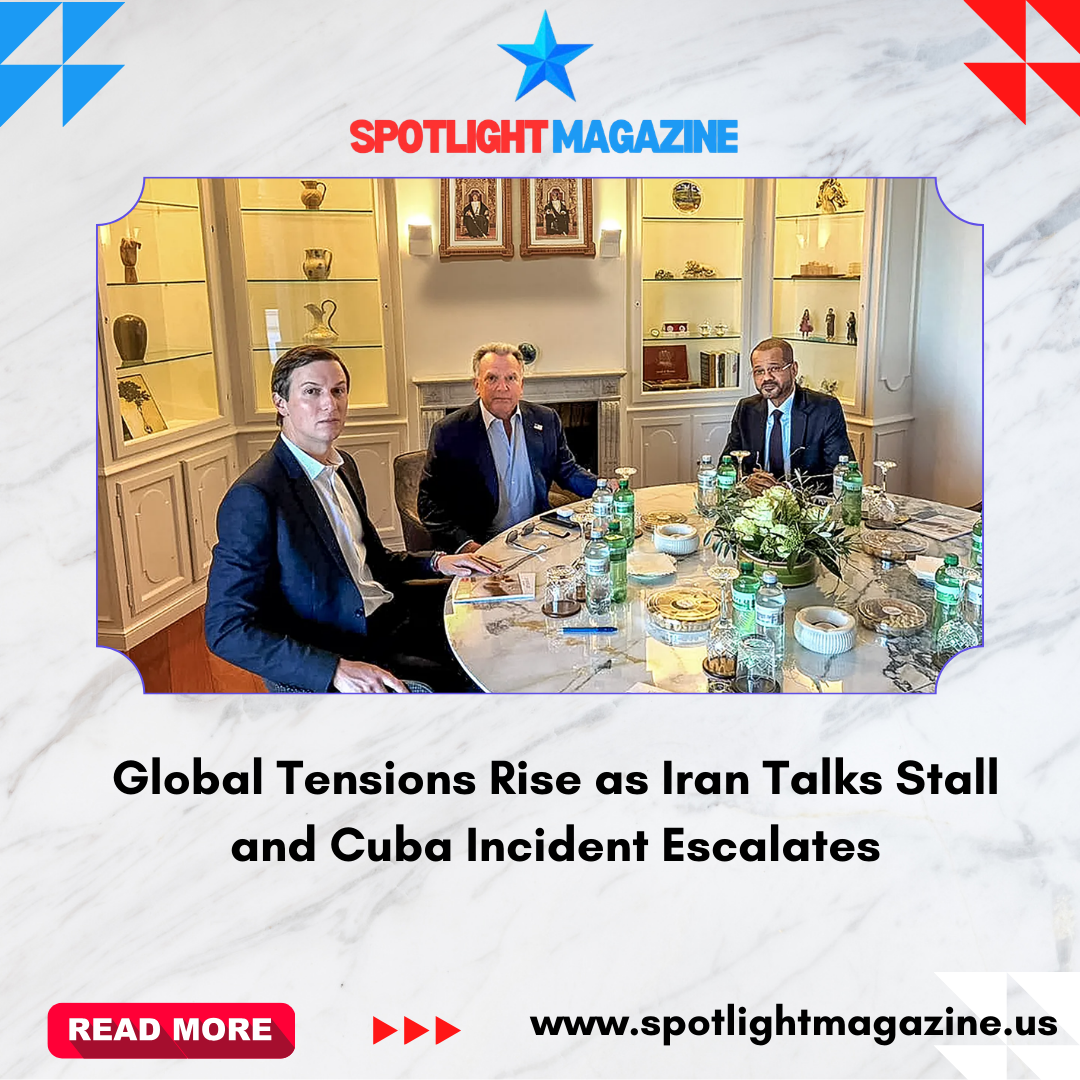
In recent global developments, there have been several major events involving diplomatic tensions, border security, and domestic policy decisions in the United States.
A key international story concerns possible negotiations between the United States and Iran over Tehran’s nuclear program. Top officials from both countries have been talking in Geneva and other neutral locations in hopes of finding a diplomatic pathway forward. These discussions are happening against a backdrop of heightened tension, with the U.S. reinforcing its military presence in the Middle East and signaling that it may take punitive action if talks fail. Iranian leaders, for their part, have pushed back strongly against perceived ultimatums from Washington, saying real talks must be based on respect and mutual benefit rather than pressure. The U.S. has reportedly made limiting Iran’s nuclear capabilities a central demand, but Iran’s leadership has insisted that such restrictions unfairly treat their national interests and sovereignty, making progress in negotiations difficult.
In the Caribbean, a dramatic and violent incident drew international attention. Cuban authorities say they intercepted a U.S.-registered speedboat carrying armed Cuban nationals off the country’s north coast. According to officials in Havana, the group attempted to enter Cuban territorial waters without permission. Havana says the people aboard opened fire on Cuban border guards, injuring a commander. Cuban forces responded with gunfire, killing four of the intruders and injuring six others. Weapons, camouflage clothing, and other equipment were found on the vessel, leading Cuban officials to describe the mission as a dangerous infiltration. It remains unclear whether the incident involved U.S. citizens or was linked to any U.S. government action, and U.S. officials have not independently confirmed Cuba’s account.
The Cuba event comes amid already strained relations between Washington and Havana. The U.S. has kept strict trade and fuel sanctions on Cuba for years, and disagreements over Cuban immigration policy, economic relations, and diplomatic engagement have persisted. Over the past year, both countries have taken steps that critics say have worsened tensions rather than eased them, including actions affecting oil supplies to the island and ongoing debates about Cuba’s role in international matters.
In the United States, domestic policy news has focused on healthcare funding at the state level. Federal authorities announced they would pause some Medicaid funding to the state of Minnesota. The move was justified by officials as a way to ensure that the state manages federal taxpayer dollars responsibly and meets its obligations under the program. Medicaid provides health coverage for many low-income Americans, and states receive federal funds to help run their programs. The decision to withhold money is rare and reflects growing scrutiny of how states administer healthcare funding, particularly when there are allegations of mismanagement, fraud, or failure to comply with federal standards.
Another area of contention relates to the U.S. economic and security policy toward Cuba. For decades the U.S. embargo on the island nation has been a contentious issue globally. Each year, the United Nations General Assembly overwhelmingly votes to end the embargo, with most countries seeing it as outdated and harmful to ordinary Cuban citizens. Yet the U.S. continues to defend its policy, saying it is aimed at pressuring Cuba’s government to change. This ongoing disagreement over sanctions and trade restrictions is part of a larger pattern of diplomatic friction between the two nations, and events like the speedboat clash could further complicate any future attempts to ease tensions.
Taken together, these developments show a world where international diplomacy, national security, and domestic policy intersect. From the Middle East to the Caribbean to U.S. state budgets, leaders are balancing competing priorities and pressures as they make decisions that could affect millions of people. Whether through high-stakes negotiations, military posturing, or internal policy disputes, governments around the world continue to navigate a complex landscape of global and local challenges.