
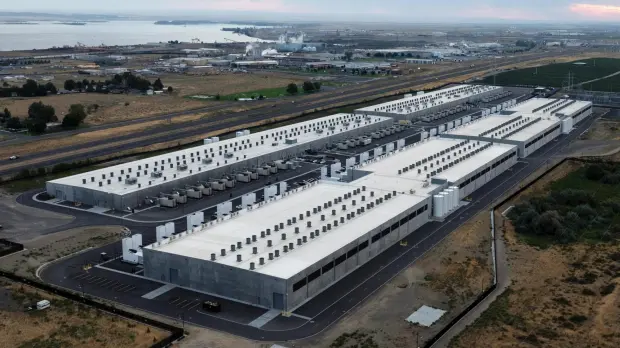
Northern Minnesota data centers opposition is gaining momentum as community groups and environmental advocates join forces with critics of a proposed power line project, creating a broader coalition challenging large-scale energy and technology infrastructure in the region. The growing alliance reflects rising concerns about land use, environmental impact, and the long-term implications of expanding digital infrastructure.
Across parts of Minnesota, proposed data center developments have been met with increasing scrutiny, particularly in rural areas where residents say the projects could alter landscapes and strain local resources. Data centers, which require significant electricity and water to operate, are often linked to large power transmission projects designed to meet their energy demands.
The Northern Minnesota data centers opposition has now converged with resistance to a power line proposal Minnesota authorities are considering to support expanding energy needs. Critics argue that the transmission line would cut through environmentally sensitive areas, potentially affecting wildlife habitats, forests, and agricultural land. For many residents, the issue is not just about infrastructure but about preserving the character and ecological balance of their communities.
Environmental concerns data centers generate have become a central theme in the debate. While such facilities are essential for supporting the digital economy, including cloud computing and data storage, their environmental footprint is increasingly under examination. Advocacy groups point to energy consumption levels and the reliance on large-scale infrastructure as factors that must be carefully managed to avoid unintended consequences.
The energy infrastructure debate has also highlighted tensions between economic development and environmental protection. Proponents of the projects argue that data centers can bring investment, job opportunities, and technological advancement to the region. They also note that many modern facilities are incorporating renewable energy sources and efficiency measures to reduce their impact.
However, opponents remain sceptical, questioning whether the benefits outweigh the costs. Rural community protests have focused on transparency, calling for more comprehensive environmental reviews and greater public input in decision-making processes. Some residents have expressed frustration over what they perceive as limited consultation before project proposals move forward.
Experts note that the convergence of opposition groups could influence how such projects are evaluated and implemented. By combining concerns about data centers with those related to power transmission infrastructure, critics are broadening the scope of the discussion and increasing pressure on policymakers.
The Northern Minnesota data centers opposition movement illustrates a wider trend seen in various parts of the United States, where local communities are pushing back against large-scale developments that intersect with environmental and social priorities. These debates often reflect deeper questions about how to balance technological progress with sustainability.
As discussions continue, the outcome will likely shape not only the future of specific projects in northern Minnesota but also the broader approach to infrastructure planning. For now, the alliance between data center opponents and power line critics signals a unified effort to ensure that development decisions reflect both economic ambitions and environmental responsibility.