
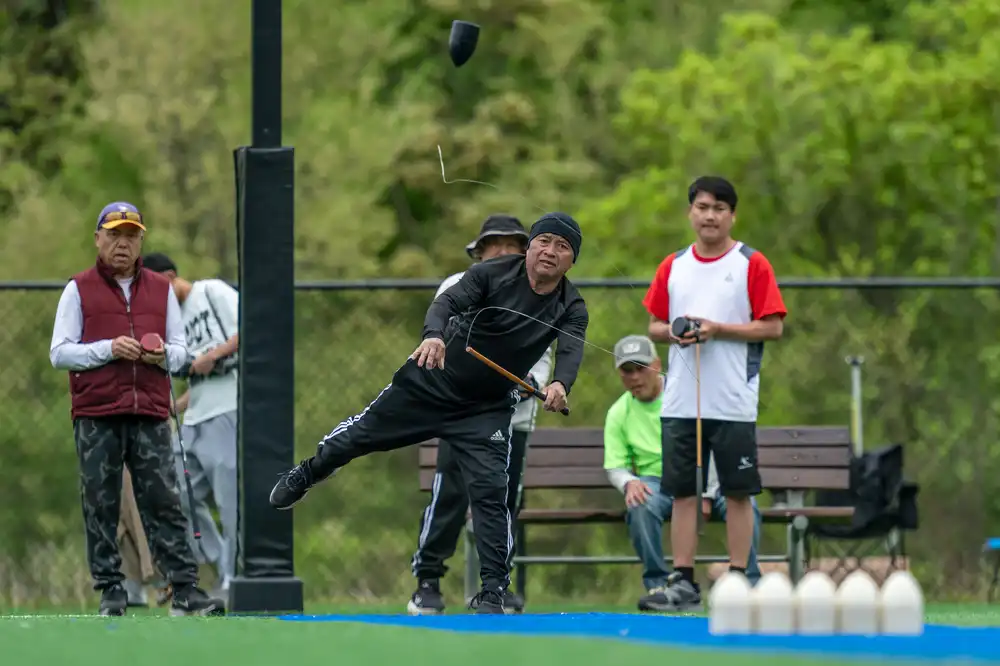
Tuj lub Minnesota players are encouraging more residents across the state to experience the traditional Hmong sport, highlighting its cultural significance and growing presence in local communities. The initiative reflects a broader effort by Hmong groups to share heritage through accessible, community-driven activities.
Often described as a simple yet skill-based game, tuj lub involves tossing a small cloth ball between participants, typically in pairs, in a rhythmic and social exchange. While the game may appear casual, players note that it carries deep cultural meaning, particularly during festivals and community gatherings.
Members of the Hmong community in Minnesota say that introducing the sport to a wider audience helps build understanding and appreciation of their traditions. Early reports from local organizers suggest that public demonstrations and informal sessions have drawn interest from people unfamiliar with the game, although participation levels vary by location and event.
Hmong traditional sport Minnesota activities have become more visible in recent years, especially during cultural festivals and public events. Community leaders say these settings provide an opportunity not only to showcase the game but also to create connections across different cultural groups.
Players involved in outreach efforts emphasize that tuj lub is easy to learn and does not require specialized equipment, making it accessible to a wide range of participants. They hope that by inviting newcomers, the sport can serve as a bridge between generations and communities.
Cultural sports Minnesota initiatives often play a role in preserving heritage while adapting to modern, diverse environments. Experts note that traditional games like tuj lub can contribute to social cohesion by encouraging participation and shared experiences, though long-term engagement depends on sustained community support.
Hmong community activities in Minnesota have expanded alongside the state’s large Hmong population, which has played a significant role in shaping local cultural life. Organizers say that promoting traditional sports is one way to maintain cultural identity while also engaging with broader society.
While there is no formal statewide program tied to the effort, players and community groups continue to host informal gatherings and encourage participation through word of mouth and local events. Observers say such grassroots approaches can be effective in building interest over time.
For now, tuj lub Minnesota players remain focused on inviting more people to try the sport, viewing it as both a cultural expression and a shared activity that can bring communities together.