
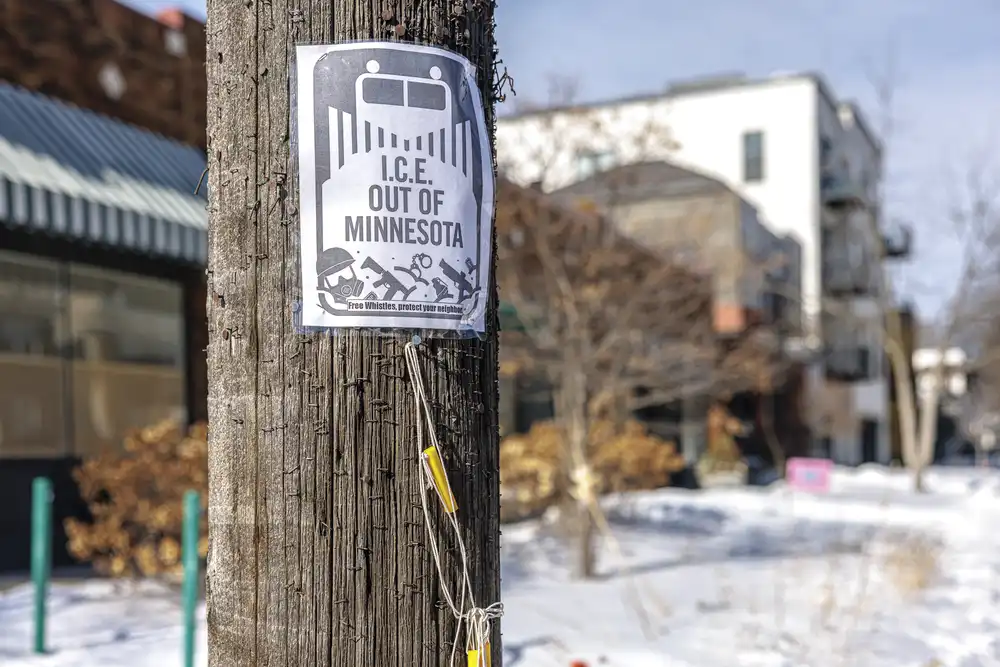
The sudden unsealing of federal court records has exposed a dramatic constitutional showdown involving grand jury subpoenas against Minnesota officials issued during a major federal immigration surge. Chief U.S. District Judge Patrick Schiltz officially invalidated the expansive Department of Justice demands, delivering a stinging rebuke to federal prosecutors who sought confidential communications from top state leaders. The legal battle, which played out entirely under seal until recently, involved sweeping demands for internal documents from the offices of Governor Tim Walz, Attorney General Keith Ellison, and the leadership of Minneapolis and St. Paul. According to unsealed judicial findings, federal attorneys attempted to leverage the grand jury process to investigate alleged interference with a winter immigration enforcement operation known as Operation Metro Surge. State lawyers vigorously defended their administrations, characterizing the broad demands as a clear form of political intimidation designed to force local compliance with federal mandates.
The intensive dispute originated when thousands of federal immigration agents were deployed to the Twin Cities region, prompting widespread local protests and deep systemic resistance from municipal authorities. In response to the federal enforcement surge, Minnesota leaders filed civil lawsuits to challenge the legality of the operations within their jurisdictions. Shortly after these challenges were mounted, federal prosecutors initiated a criminal grand jury probe, targeting the precise state and local entities that opposed the actions. Justice Department lawyers argued that they possessed a justifiable factual predicate to investigate whether local policies willfully obstructed federal immigration enforcement. They pointed to city ordinances, public statements, and internal municipal training handbooks that allegedly instructed local staff to engage in stalling tactics to delay immigration agents. However, Judge Schiltz determined that the federal government completely failed to provide any credible investigatory justification for targeting the personal offices of a sitting governor and attorney general.
The court’s decision to strike down the grand jury subpoenas against Minnesota officials represents a rare and significant judicial check on federal executive authority. Legal analysts note that using criminal investigative tools to pressure or penalize domestic political adversaries constitutes an unethical distortion of constitutional architecture. Following the public disclosure of the voided mandates, Governor Walz hailed the ruling as a crucial defense of democratic norms and the foundational rule of law. While federal agencies have simultaneously moved forward with prosecuting individual street demonstrators for alleged conspiracies during the demonstrations, their attempt to criminalize the policy positions of state executives has been decisively blocked. This stark ruling sets a profound legal precedent regarding the boundaries of state autonomy and the protection of local governance systems against aggressive federal overreach during localized law enforcement crises.