
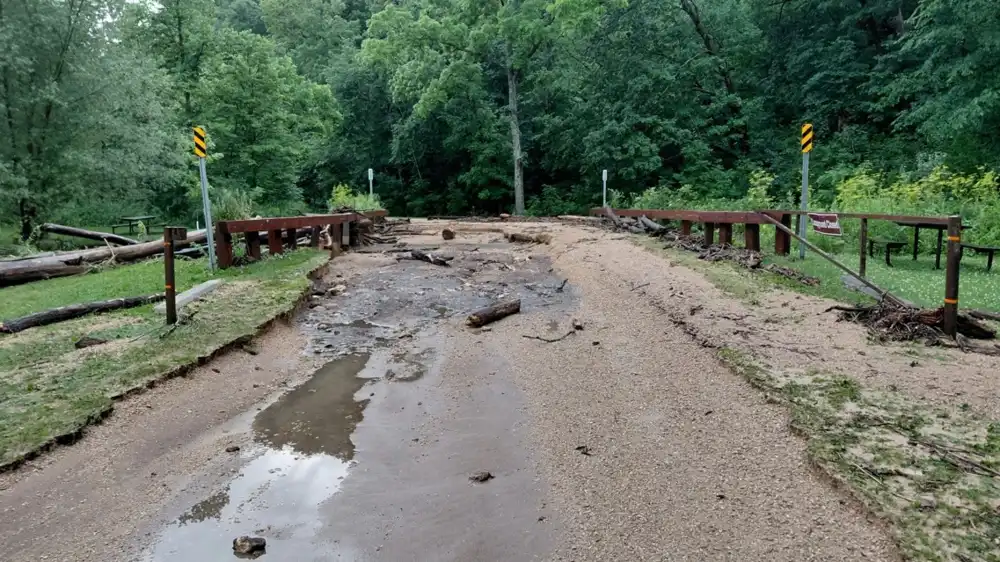
A comprehensive multi-agency damage assessment and widespread debris cleanup are officially underway across southeast Minnesota after an intense deluge triggered severe flash flooding throughout the region. Emergency management personnel and local utility crews mobilized rapidly following a series of slow-moving summer thunderstorms that dropped over seven inches of rain in less than twelve hours, overwhelming local drainage systems. The sudden torrent caused tributary rivers to breach their banks, inundating low-lying residential sectors, submerging agricultural fields, and rendering several critical county highways entirely impassable. Public safety officials have advised residents to exercise extreme caution near receding waters, warning that compromised roadways and hidden sinkholes continue to pose significant structural hazards to motorists.
Local emergency response teams are currently prioritizing the inspection of public infrastructure, assessing structural integrity across bridge networks, water treatment facilities, and electrical grids. Preliminary field reports indicate that dozens of basements sustained severe water damage, while several municipal parks and recreational areas remain coated in thick layers of mud and river silt. To accelerate recovery efforts, regional waste disposal sites have temporarily waived fees for storm-related debris, allowing property owners to safely discard ruined building materials and waterlogged household items. In hard-hit communities, neighbor-led volunteer networks have joined forces with professional first responders to clear clogged culverts, distribute emergency pumping equipment, and secure unstable embankments against potential secondary mudslides.
State environmental agencies are closely monitoring regional water quality, issuing precautionary advisories regarding potential agricultural runoff and wastewater contamination in localized wells. Despite the widespread disruption, county administrators confirmed that no major casualties or serious injuries have been reported, crediting the low casualty rate to timely automated weather alerts and proactive community evacuations. Financial analysts suggest that the total economic impact on local businesses and farming infrastructure will take several weeks to fully quantify as insurance adjusters begin processing claims. Moving forward, the regional administration intends to pursue federal disaster relief funding to reinforce local flood mitigation infrastructure, ensuring that the vulnerable river valleys of southeast Minnesota are better insulated against future extreme weather anomalies.