
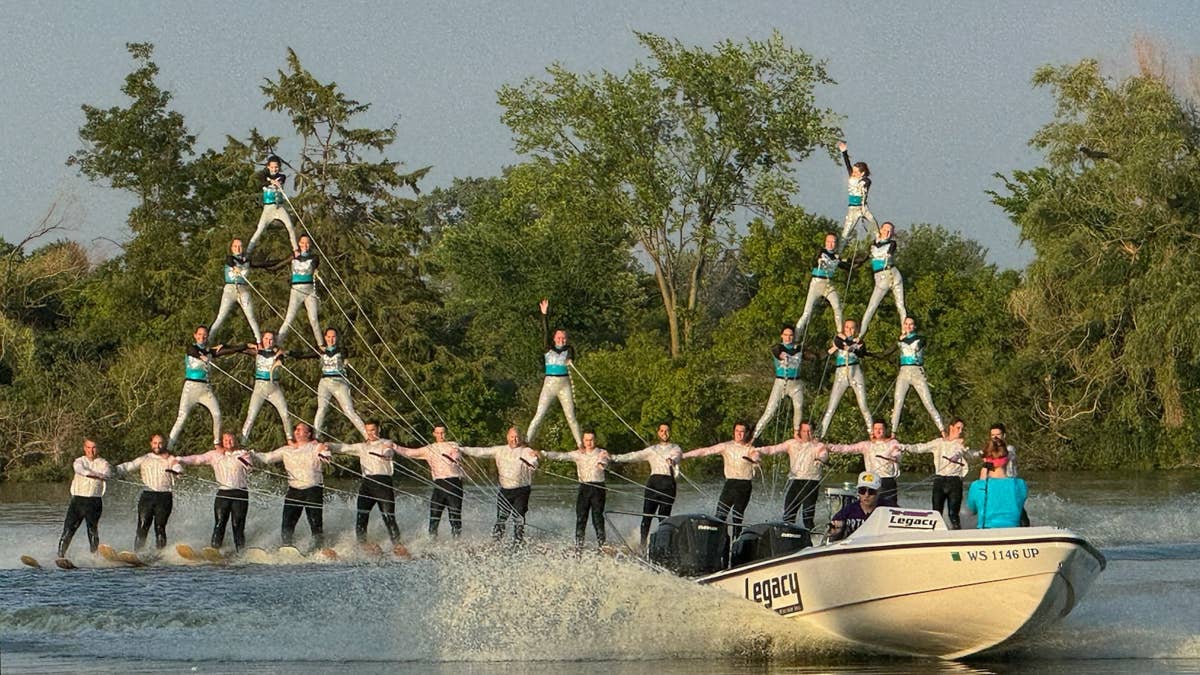
The Twin Cities water skiing show in jeopardy has sent shockwaves through a close-knit volunteer community after nearly $30,000 worth of essential equipment was stolen, threatening the future of a beloved summer tradition. For decades, the show has brought together families, performers, and spectators in a celebration of skill, teamwork, and community spirit.
The incident took place in the Twin Cities region of Minnesota, where organizers say critical gear—including skis, ropes, costumes, and safety equipment—was taken from secured storage. Without these items, the group faces significant challenges in preparing for the upcoming season, raising concerns that performances may be delayed or even cancelled.
Run entirely by volunteers, the show represents more than just entertainment. It is a cornerstone of Twin Cities community events, offering free or low-cost performances that attract residents from across Minneapolis and St. Paul. Participants, many of whom have trained for years, rely on shared resources to stage intricate routines that include jumps, formations, and coordinated water stunts.
Organizers say the water skiing equipment theft has dealt a severe financial and emotional blow. Unlike commercial operations, volunteer-run groups often operate on tight budgets, relying on donations, small sponsorships, and community fundraising. Replacing stolen gear on short notice is a daunting task, especially as costs continue to rise.
Local authorities have confirmed that an investigation is underway, though no arrests have been reported so far. Community members have responded by launching fundraising efforts and awareness campaigns, hoping to recover losses and salvage the upcoming season. The outpouring of support highlights how deeply embedded the show is within the cultural fabric of the area.
Experts in local sports events USA note that volunteer-driven initiatives like this one play a vital role in fostering community engagement and youth participation. They provide accessible entry points into sports and recreation, often serving as a training ground for future athletes while strengthening social ties.
The uncertainty surrounding the Twin Cities water skiing show in jeopardy also reflects broader challenges facing grassroots organisations. From rising operational costs to security concerns, maintaining continuity requires resilience and strong community backing.
For now, organisers remain cautiously hopeful. While the road ahead is uncertain, they continue to explore ways to rebuild, calling on supporters to help ensure the show can return to the water. Whether through donations, equipment contributions, or simply spreading the word, the community’s response may ultimately determine whether this cherished tradition can endure.
The fate of the Twin Cities water skiing show in jeopardy hangs in the balance, but its legacy of community, dedication, and shared joy remains a powerful force driving efforts to keep it alive.