
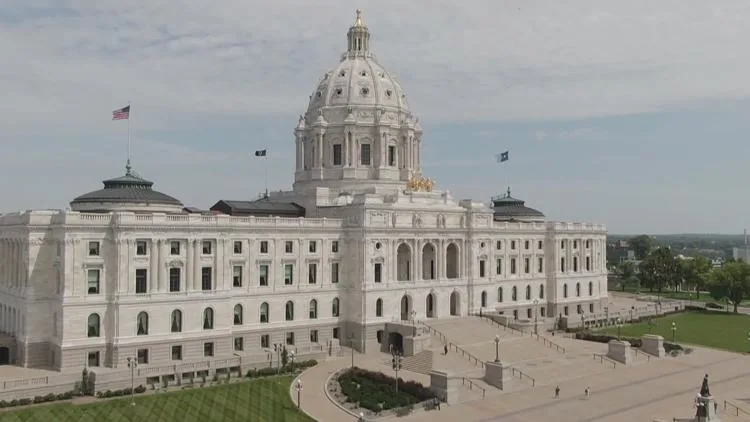
The Minnesota inspector general bill has received final approval from the state Senate, clearing the way for the legislation to be sent to Tim Walz for signature. The measure, which has drawn bipartisan support, aims to establish a new independent Office of Inspector General tasked with investigating and preventing fraud across state programs.
According to official legislative records, the bill passed the Minnesota House of Representatives with an overwhelming 127–5 vote before returning to the Senate for final concurrence. Senators approved the updated version unanimously, signaling broad agreement on the need for stronger oversight mechanisms.
Supporters of the legislation say it represents one of the most significant anti-fraud reforms in recent years. Lawmakers have pointed to past cases of large-scale fraud involving public funds as a key driver behind the initiative. The proposed Office of Inspector General Minnesota would have authority to investigate both public agencies and private entities that receive taxpayer money, as well as recommend policy changes to prevent misuse.
Under the bill, the inspector general would be appointed by the governor but subject to confirmation by a supermajority in the Senate, a structure designed to ensure independence. The office is also expected to coordinate across agencies, improve data sharing, and maintain reporting systems for suspected fraud. Early plans suggest the office could eventually include a dedicated law enforcement unit, though its implementation may depend on future legislative funding decisions.
Governor Walz has previously indicated support for the proposal, and according to statements reported by local media, he is expected to sign the bill into law once it reaches his desk. The initiative aligns with broader efforts by the administration and lawmakers to strengthen accountability following high-profile fraud investigations that have drawn national attention.
Policy experts note that similar inspector general offices exist at the federal level and in other states, often serving as independent watchdogs to ensure transparency and efficiency in government spending. In Minnesota, advocates argue the new office could help detect fraud earlier and reduce long-term financial losses, while critics have raised questions about costs and potential overlap with existing enforcement agencies.
While the legislation marks a significant step forward, its long-term impact will depend on implementation, funding, and the independence of the office once established. For now, the bill’s passage reflects a rare moment of bipartisan consensus in addressing a complex and politically sensitive issue.