
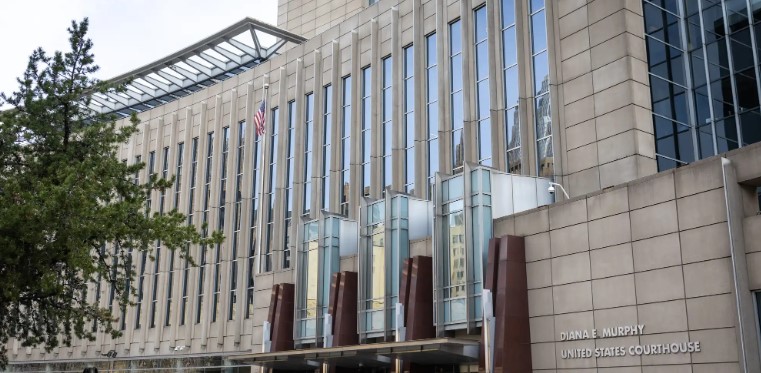
Federal authorities have initiated a legal effort to revoke the citizenship of a Minnesota man, marking a new development in a denaturalization case Minnesota that underscores the complexities of US immigration enforcement. According to filings by the U.S. Department of Justice, the case seeks to determine whether the individual’s naturalization was obtained lawfully.
Denaturalization cases are relatively rare and typically involve allegations that citizenship was secured through fraud, misrepresentation, or concealment of material facts. In this instance, officials allege that information provided during the naturalization process may not have met legal requirements. However, specific details of the claims have not been fully disclosed in public summaries, and the case remains subject to judicial review.
Legal experts note that such proceedings are civil, not criminal, and require the government to meet a high burden of proof. According to court standards, authorities must demonstrate clear and convincing evidence that the individual was not eligible for citizenship at the time it was granted. If successful, the process could result in the revocation of citizenship and a return to prior immigration status, which may include the possibility of removal proceedings.
The Minnesota immigration case reflects a broader, though limited, use of denaturalization as an enforcement tool. Historically, these cases have focused on issues such as undisclosed criminal histories, past human rights violations, or fraudulent documentation. However, immigration advocates caution that each case must be evaluated carefully to ensure due process protections are upheld.
Government officials have not indicated whether the case is connected to a wider enforcement initiative. Still, analysts point out that the Department of Justice denaturalization efforts have, at times, drawn scrutiny over their scope and implications for naturalized citizens. Civil liberties groups often stress the importance of transparency and fairness, particularly given the serious consequences associated with losing citizenship.
At this stage, the case remains ongoing, and no final determination has been made. The court will ultimately assess the evidence and legal arguments presented by both sides before issuing a ruling. Observers emphasize that until a decision is reached, the allegations should be treated as claims rather than established facts.
As federal immigration enforcement continues to evolve, the outcome of this case may contribute to ongoing debates about the balance between national security, legal accountability, and the rights of naturalized citizens in the United States.