
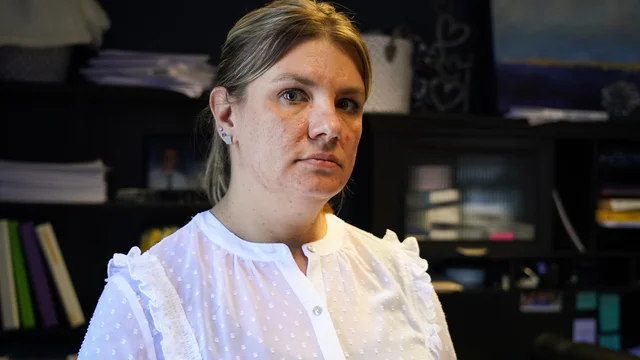
Minnesota prosecutors are seeking a 50-year prison sentence for Aimee Bock, the founder of the nonprofit Feeding Our Future, following her conviction in one of the largest alleged fraud schemes involving federal nutrition funds in recent state history. The Aimee Bock sentencing Feeding Our Future case has become a focal point in ongoing efforts to address alleged misuse of public assistance programs.
According to filings from the U.S. Attorney’s Office in Minnesota, prosecutors argue that Bock played a central role in orchestrating a scheme that fraudulently obtained millions of dollars from federal child nutrition programs. The funds were intended to provide meals for low-income children during the COVID-19 pandemic, but investigators allege that large portions were instead diverted through fake meal sites and shell organizations.
The case involves Feeding Our Future, a Minnesota-based nonprofit that expanded rapidly during the pandemic as federal emergency funding increased. Early reports from federal investigators suggest that the organization’s growth was accompanied by weak oversight controls, which allegedly enabled fraudulent claims to go undetected for an extended period.
Prosecutors have described the case as one of significant scale, involving coordinated activity across multiple individuals and entities. Court documents allege that Bock and others created or approved fraudulent reimbursement claims, though she has denied wrongdoing throughout the legal proceedings. It is important to note that she has not been sentenced, and the court will ultimately determine any penalty.
Defense attorneys are expected to argue against the proposed sentence, potentially citing factors such as intent, personal responsibility, and the broader context of pandemic-era funding distribution. The court has not yet issued a final ruling, and sentencing proceedings are still pending.
The Minnesota Feeding Our Future fraud case has drawn national attention due to the size of the alleged scheme and the vulnerability of the programs involved. Officials say the investigation has led to multiple indictments and convictions, with additional related cases still moving through the legal system.
Legal analysts note that while prosecutors often recommend lengthy sentences in large fraud cases, judges have discretion in determining final penalties based on federal sentencing guidelines and case-specific factors.
As the case moves toward sentencing, it remains a prominent example of federal scrutiny over pandemic relief funds and nonprofit accountability. The outcome will likely have broader implications for oversight of similar programs in the future.