
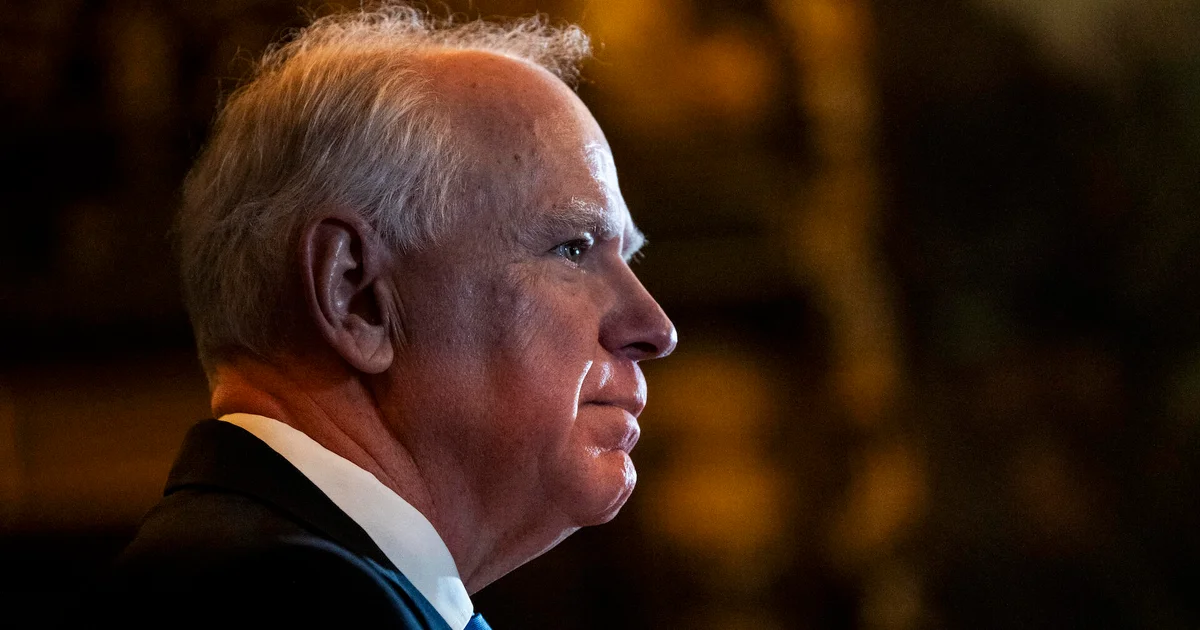
Minnesota Governor Tim Walz is highlighting a newly reached bipartisan agreement with lawmakers, describing the Tim Walz end-of-session deal as a step toward fiscal stability and continued investment in key state priorities.
According to statements from the governor and legislative leaders, the agreement was finalized just days before the mandatory adjournment of the legislative session. It outlines a supplemental budget framework that includes healthcare funding, tax relief measures, and infrastructure investments.
A central component of the Minnesota legislative agreement is financial support for Hennepin County Medical Center, a major safety-net hospital that officials say has faced significant financial strain. Early details indicate the deal includes approximately $205 million in immediate funding, alongside the creation of a larger reserve fund intended to stabilize hospitals facing similar challenges in the future.
The package also includes temporary reductions in vehicle registration fees, expanded property tax relief, and a broader capital investment plan that could total over $1 billion. Lawmakers say these measures are designed to address cost-of-living concerns while maintaining long-term fiscal discipline.
Governor Walz has framed the Minnesota budget deal as a balance between economic caution and targeted spending. According to his public remarks, the agreement prioritizes maintaining budget reserves while funding essential services such as healthcare and infrastructure.
However, not all issues were resolved within the framework. Reports suggest that certain proposals, including contentious policy areas like gun control, remain stalled amid political disagreements. Analysts note that Minnesota’s divided legislature has made it difficult to advance more polarizing measures, even as consensus forms around budget-related priorities.
Legislative leaders from both parties have described the agreement as a necessary compromise in a closely divided Capitol. Experts say such deals often rely on high-level negotiations that focus on broad fiscal targets rather than detailed policy provisions, with specifics to be finalized in subsequent votes.
The Tim Walz end-of-session deal now moves into the legislative phase, where individual bills reflecting the agreement’s framework must be debated and passed. Observers caution that while the agreement signals progress, its full impact will depend on how effectively the measures are implemented.
As the session nears its conclusion, the agreement represents a significant milestone in Minnesota’s legislative process, reflecting both the possibilities and limitations of bipartisan governance in a politically divided environment.