
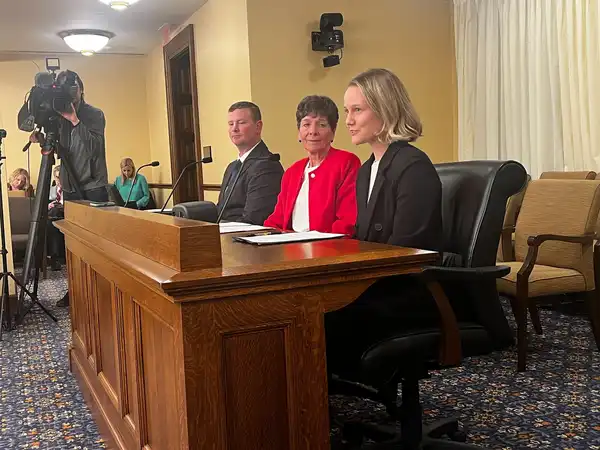
As Minnesota lawmakers work to stop grooming in schools, a broader public debate has emerged around a deceptively simple but deeply consequential question: what is grooming? The issue has moved beyond legislative chambers into classrooms, parent groups, and national discourse, reflecting growing concern about how best to protect students while ensuring clarity in policy and law.
In Minnesota, lawmakers have introduced and debated measures aimed at strengthening child protection laws US systems, particularly within educational environments. These proposals are part of a wider effort to enhance school safety policies and address behaviors that may put students at risk. However, as discussions unfold, differing interpretations of what constitutes grooming have complicated efforts to reach consensus.
Experts generally define grooming as a process by which an individual builds trust with a minor to exploit or abuse them. This can involve manipulation, secrecy, and gradual boundary violations. Child protection specialists emphasize that grooming often occurs over time and may not be immediately recognizable, making early intervention and awareness critical. Yet translating this understanding into legal language remains a challenge.
The phrase Minnesota lawmakers work to stop grooming in schools has become a focal point for both supporters and critics of the proposed legislation. Advocates argue that clearer rules and stricter safeguards are necessary to protect students from harm. They point to cases and reports that underscore the need for vigilance and proactive measures within schools. Opponents, however, caution that vague definitions could lead to unintended consequences, including confusion among educators and potential overreach in enforcement.
Educators and school administrators have also weighed in, highlighting the importance of precise guidelines. Many stress that while student safeguarding must remain a top priority, policies should be carefully crafted to avoid ambiguity. Training and awareness programs are often cited as essential tools, helping staff recognize warning signs without misinterpreting normal interactions.
Legal analysts note that defining grooming within the context of education requires balancing multiple considerations. Laws must be specific enough to be enforceable while flexible enough to account for the complex nature of human behavior. The grooming definition education systems adopt can have far-reaching implications, influencing not only legal outcomes but also the day-to-day dynamics within schools.
The debate in Minnesota reflects a broader national conversation about child safety and the evolving role of schools in addressing social challenges. Across the United States, policymakers are grappling with how to update regulations in response to emerging risks, including those linked to digital communication and online interactions. These developments add another layer of complexity to discussions about prevention and accountability.
As the legislative process continues, the central question remains unresolved for many: what is grooming, and how should it be defined in a way that protects students without creating confusion? While there is widespread agreement on the importance of safeguarding children, the path forward requires careful deliberation, informed by expert insight and practical experience.
Ultimately, the fact that Minnesota lawmakers work to stop grooming in schools highlights both the urgency of the issue and the difficulty of addressing it effectively. The outcome of this debate will likely shape not only state policy but also broader approaches to student protection across the country.