
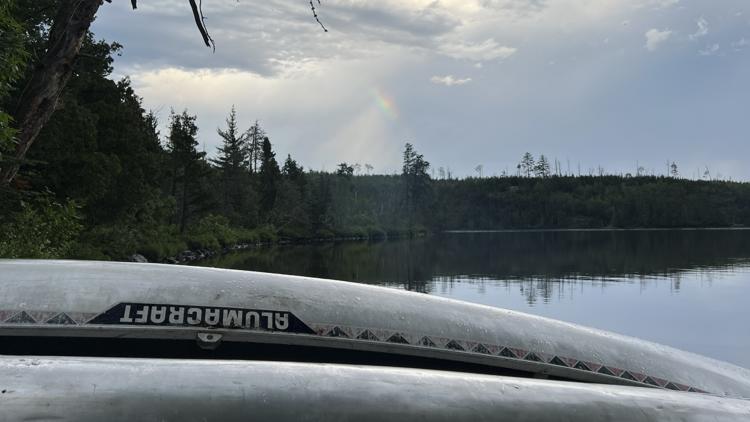
The latest environmental assessment revealing that the Boundary Waters river ranks as third most endangered in US has intensified scrutiny over conservation efforts in Minnesota. The designation highlights growing concerns about industrial threats, particularly mining activities, that could disrupt one of the country’s most pristine freshwater ecosystems.
Situated within the iconic Boundary Waters Canoe Area Wilderness, the river system is part of a vast network of interconnected lakes and waterways along the US-Canada border. Known for its untouched beauty, rich biodiversity, and cultural importance, the region has long been a symbol of environmental conservation US initiatives. However, recent findings suggest that these natural assets are under increasing pressure.
The conclusion that the Boundary Waters river ranks as third most endangered in US comes from evaluations by American Rivers, which annually identifies waterways facing the greatest threats. According to the organization, proposed sulfide-ore mining projects near the watershed pose the most significant risk. Such operations can generate acid mine drainage, releasing harmful pollutants into surrounding water systems.
Environmental experts warn that even small levels of contamination could have long-term consequences. The Boundary Waters pollution issue is particularly sensitive because the region’s interconnected waterways allow pollutants to spread quickly, affecting aquatic life, drinking water sources, and local economies dependent on tourism and fishing. These risks have placed Minnesota environmental concerns at the center of a broader national conversation.
State and federal agencies have acknowledged the concerns, emphasizing that environmental reviews and regulatory processes are ongoing. Some policymakers argue that modern mining technologies can reduce environmental impact, while others remain cautious, pointing to past incidents where similar projects resulted in irreversible damage. This debate reflects the challenge of balancing economic development with environmental conservation US priorities.
The designation also underscores wider challenges facing endangered rivers US-wide. Climate change, industrial expansion, and policy uncertainties are contributing to increased vulnerability across critical water systems. Conservation advocates argue that the situation in Minnesota serves as a warning sign, urging stronger protections and long-term planning to safeguard natural resources.
Local communities, including Indigenous groups, have been vocal in their opposition to activities that threaten the Boundary Waters. Many emphasize the cultural, spiritual, and economic significance of the land and water, calling for decision-making processes that prioritize sustainability and respect traditional knowledge. Their involvement has added urgency to calls for stricter environmental safeguards.
Despite the concerns, there are ongoing efforts to address the risks. Legal challenges, conservation campaigns, and public awareness initiatives have all played a role in bringing attention to the issue. Supporters of environmental protection argue that proactive measures can still prevent long-term damage if implemented effectively.
As the debate continues, the reality that the Boundary Waters river ranks as third most endangered in US serves as a powerful reminder of the fragile balance between development and preservation. For Minnesota and the nation as a whole, the decisions made in the coming years will likely determine the future of one of North America’s most treasured natural landscapes.