
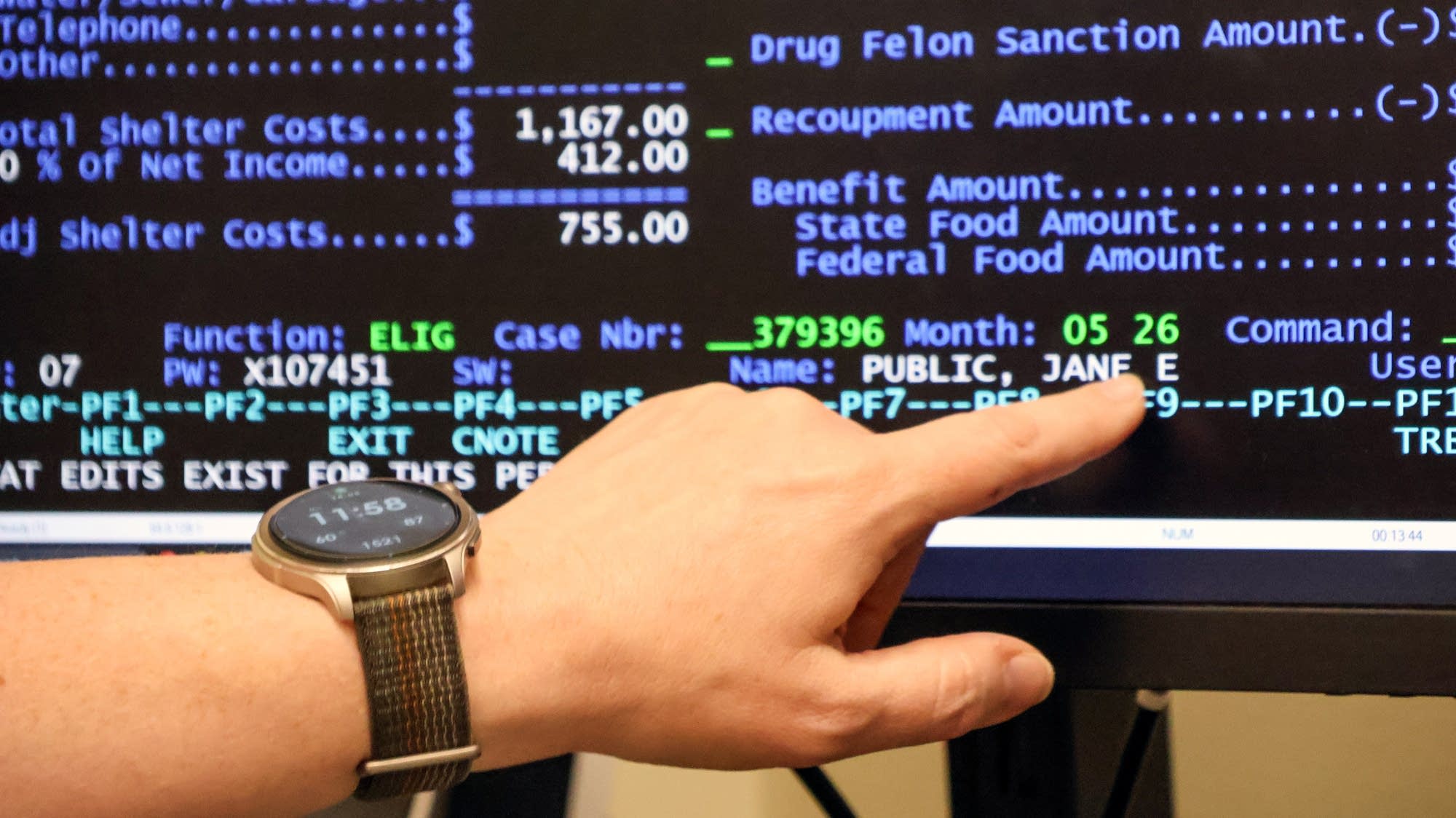
Counties across Minnesota are welcoming new state funding aimed at modernizing outdated technology systems used to administer public assistance programs such as SNAP and Medicaid. The Minnesota SNAP Medicaid technology overhaul is being positioned as a major step toward improving efficiency, reducing administrative delays, and strengthening service delivery for thousands of residents.
According to state officials, the funding will support upgrades to legacy systems that many counties still rely on to process applications, verify eligibility, and manage case records for programs including the Supplemental Nutrition Assistance Program (SNAP) and Medicaid. These systems, in some cases, have been in use for decades and are increasingly seen as inefficient for modern service demands.
Local administrators say the Minnesota counties social services funding initiative is expected to reduce paperwork bottlenecks and improve communication between state and county agencies. By upgrading digital infrastructure, officials hope to shorten processing times for benefits and reduce errors that can lead to delays or incorrect determinations.
Early reports suggest that counties will use the funding to implement new software platforms, improve data sharing, and enhance cybersecurity protections. While specific vendors or systems have not been publicly detailed, officials indicate that modernization efforts will be rolled out in phases to avoid disruption to ongoing services.
The SNAP administration modernization effort is particularly significant as demand for food assistance remains high amid rising living costs. County officials note that outdated systems can slow down application processing, creating backlogs that affect vulnerable households. Modernized platforms are expected to streamline verification processes and improve responsiveness.
Similarly, Medicaid system upgrades Minnesota aim to support healthcare access by ensuring faster enrollment and more accurate eligibility tracking. Administrators say improved systems could help reduce administrative burden on staff, allowing more focus on direct client support rather than manual data entry.
State leaders emphasize that the investment reflects a broader effort to improve public service delivery through technology. However, they also acknowledge that large-scale system transitions carry risks, including training needs, data migration challenges, and potential short-term disruptions during implementation.
Experts in public administration note that many US states are undertaking similar modernization efforts, as aging infrastructure struggles to meet current digital service expectations. They caution that success will depend on careful planning, consistent funding, and coordination between state and county agencies.
For Minnesota counties, the funding represents both an operational upgrade and a long-term investment in efficiency. If implemented successfully, officials say it could significantly improve how residents access essential programs such as SNAP and Medicaid across the state.