
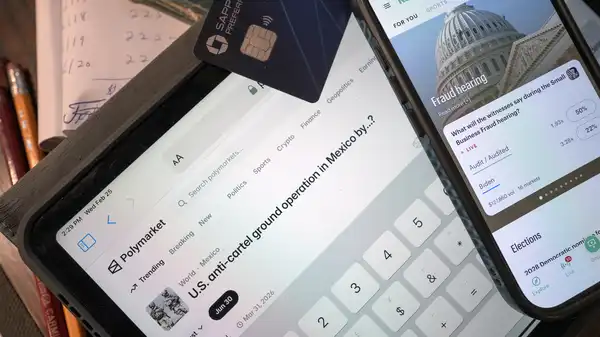
Minnesota lawmakers are moving closer to restricting or banning prediction markets, but the effort has exposed complex regulatory gray areas that continue to challenge policymakers across the United States. The Minnesota ban prediction markets proposal comes amid growing concern that these platforms operate in a space that is neither fully regulated as gambling nor clearly defined under financial market laws.
Prediction markets allow users to trade contracts based on the outcomes of real-world events, ranging from elections to sports and economic indicators. Supporters argue that such markets can provide useful forecasting insights, while critics contend they resemble unregulated gambling and raise ethical concerns, particularly around insider information. According to state lawmakers backing the bill, the rapid growth of these platforms has outpaced existing legal frameworks.
Legislation under consideration in Minnesota would make many forms of event-based contracts illegal, targeting platforms that offer bets on political outcomes, sports events, and even disasters. Lawmakers have warned that these markets could enable insider trading, as individuals with privileged information might profit from outcomes not yet known to the public.
Recent incidents have added urgency to the debate. Reports indicate that a Minnesota state lawmaker was penalized by a prediction market platform after placing a bet on his own election outcome, raising questions about enforcement and ethical boundaries. These developments have reinforced calls for clearer rules governing who can participate and under what conditions.
However, the legal picture remains far from settled. A key issue is jurisdiction: while states like Minnesota seek to regulate or ban prediction markets, some platforms operate under federal oversight, particularly through the Commodity Futures Trading Commission (CFTC). This has led to tensions between state and federal authorities over who has the authority to regulate such markets. Analysts note that court rulings have, in some cases, supported federal jurisdiction, complicating state-level enforcement efforts.
Experts also highlight the broader implications of a Minnesota ban prediction markets approach. If enacted, it could set a precedent for other states considering similar restrictions. At the same time, critics caution that inconsistent regulations across states may push these platforms into legal loopholes rather than eliminating them entirely.
The debate reflects a wider national conversation about how to classify and regulate emerging financial technologies that blur the line between investment and gambling. While proponents of regulation emphasize consumer protection and market integrity, others argue that overly restrictive measures could stifle innovation.
As Minnesota lawmakers continue deliberations, no final decision has been confirmed. What is clear, however, is that the outcome could influence how prediction markets are governed across the United States in the years ahead.