
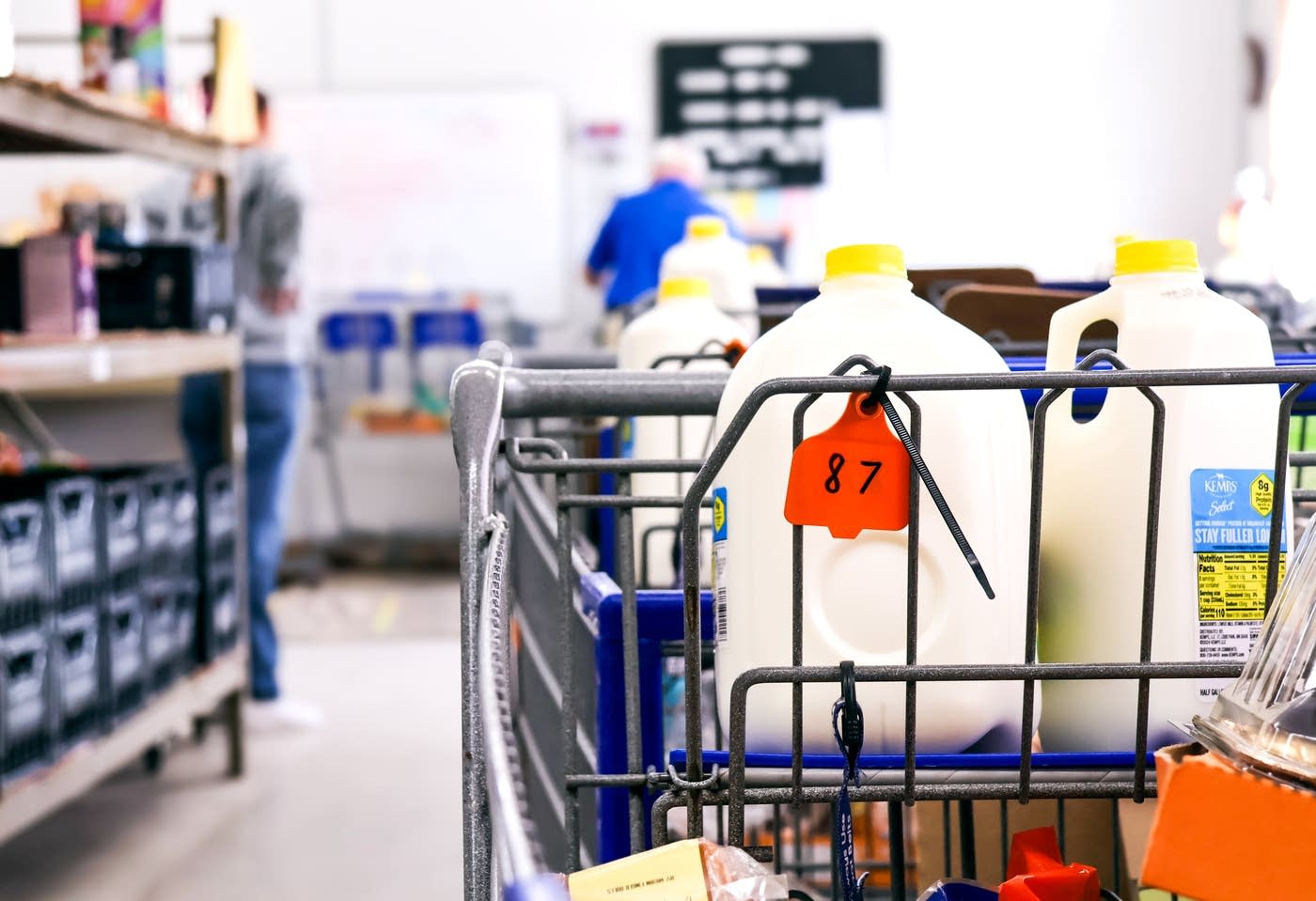
Record high demand for food aid as Minnesotans make 9 million visits to food shelves in 2025 is reshaping how communities and policymakers understand hunger in the state. The figure, confirmed by Hunger Solutions Minnesota, marks an unprecedented surge in reliance on emergency food assistance, reflecting deeper economic pressures felt across households.
The milestone highlights a steady rise in food shelf visits 2025, driven largely by inflation and the rising cost of living in the US. While Minnesota’s economy remains relatively strong compared to national averages, many residents are struggling to keep pace with increasing expenses, particularly in housing and transportation. As a result, food budgets are often the first to be reduced, pushing more families toward community food support systems.
The record high demand for food aid as Minnesotans make 9 million visits to food shelves in 2025 is not limited to traditionally vulnerable groups. Food shelves are reporting a growing number of first-time visitors, including working professionals and dual-income households. This shift reflects how widespread food insecurity in Minnesota has become, cutting across income levels and demographics.
Organizations on the ground have responded by scaling up operations, extending hours, and strengthening partnerships with local suppliers and donors. However, many warn that resources are being stretched thin. Volunteers and staff are working under increased pressure, and supply chains for food donations are becoming less predictable as demand rises nationwide.
For Somali communities in Minnesota, food shelves remain a vital lifeline. Beyond addressing hunger, they provide culturally appropriate foods that reflect the dietary needs of diverse populations. Community leaders emphasize the importance of maintaining inclusive food distribution systems that respect cultural identity while addressing urgent needs.
Policy experts point out that the hunger crisis in Minnesota is closely tied to broader structural issues. Wage growth has not kept pace with inflation, and affordable housing shortages continue to strain household finances. While short-term relief through food aid is essential, long-term solutions will require coordinated efforts across economic and social policy.
The record high demand for food aid as Minnesotans make 9 million visits to food shelves in 2025 underscores a critical moment for the state. It reflects both the resilience of community networks and the scale of the challenge ahead. As demand continues to rise, the focus is shifting toward sustainable solutions that ensure access to food is not just a safety net, but a guarantee for all.