
As winters warm, Minnesotans grapple with climate grief, confronting not only environmental shifts but also a deep emotional response to the loss of long-held traditions. In a state historically defined by long, harsh winters, the gradual transformation of seasonal patterns is becoming increasingly visible—and deeply felt.
Across Minnesota, residents are noticing shorter periods of snow cover, warmer average temperatures, and more unpredictable weather patterns. According to climate scientists, these changes are consistent with broader climate change Minnesota trends, where rising global temperatures are altering regional ecosystems. For many, however, the issue is not only scientific but personal.
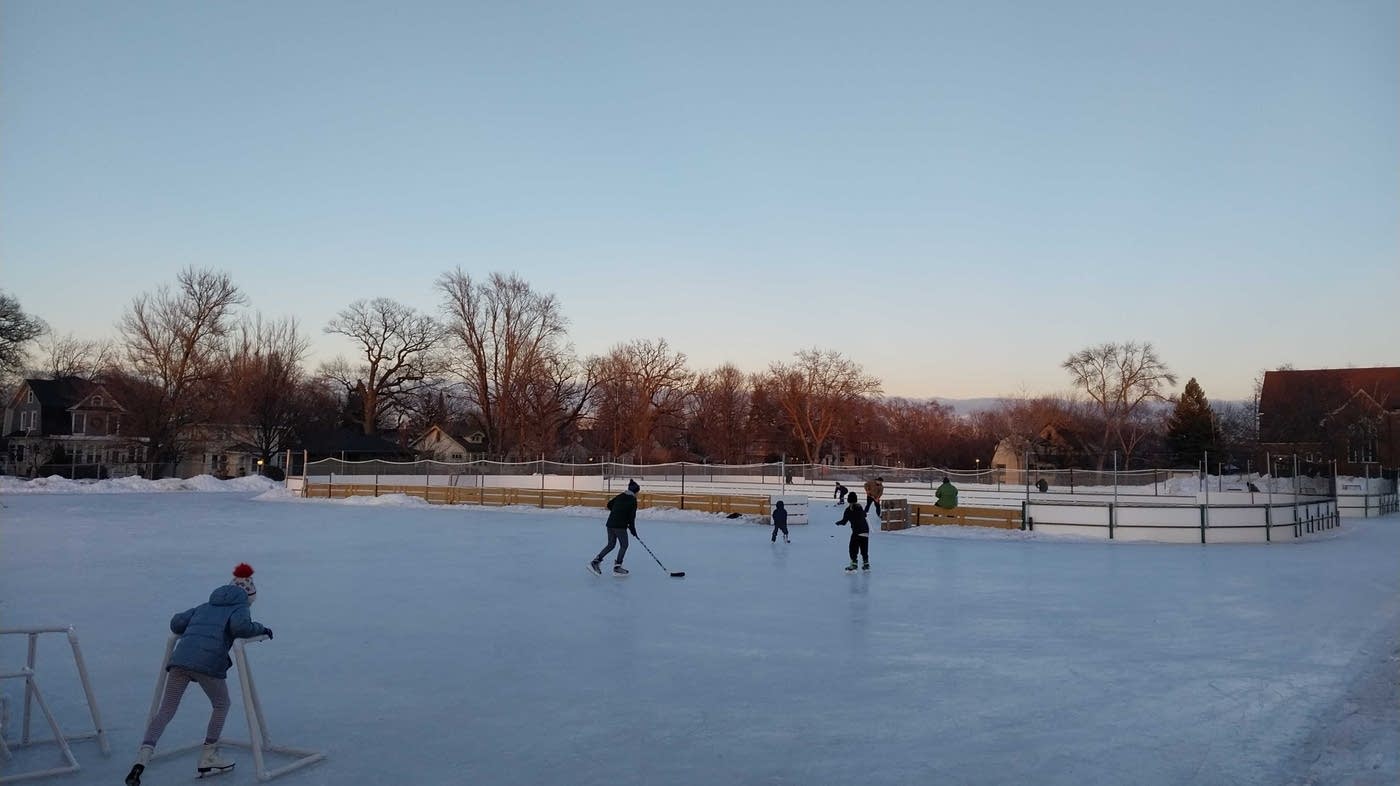
Winter in Minnesota has long been central to cultural identity, from outdoor sports and festivals to daily routines shaped by snow and cold. The warming winters impact is therefore being experienced as a disruption to both lifestyle and heritage. Activities like ice fishing, snowmobiling, and cross-country skiing are becoming less reliable, affecting local economies as well as community traditions.
The concept of mental health climate grief has gained attention in recent years, describing the emotional distress associated with environmental loss. Experts say this form of grief is increasingly common as people witness changes to familiar landscapes. In Minnesota, where seasonal changes are deeply ingrained in daily life, the emotional toll can be particularly pronounced.
Environmental researchers note that these shifts are part of a larger pattern of environmental change USA, with implications for wildlife, agriculture, and water systems. Warmer winters can lead to reduced ice cover on lakes, affecting fish populations, while also influencing crop cycles and pest activity. These changes highlight the interconnected nature of climate systems and their impact on human and ecological communities.
At the same time, communities are beginning to adapt. Some local organizations are promoting climate awareness and resilience strategies, encouraging sustainable practices and supporting mental health initiatives. Conversations around seasonal changes Minnesota are also becoming more prominent in public discourse, reflecting a growing recognition of the issue.
Despite these efforts, the sense of loss remains a powerful undercurrent. For many Minnesotans, winter is not just a season but a defining feature of identity. The gradual erosion of that experience is prompting reflection on what it means to live in a changing climate.
As winters warm, Minnesotans grapple with climate grief in ways that blend science, culture, and emotion. The challenge moving forward lies not only in addressing the environmental causes but also in supporting communities as they navigate the psychological and cultural impacts of change.
In a region where the rhythm of life has long been tied to the cold, the warming trend is reshaping both landscape and mindset, leaving residents to reconcile the past with an uncertain future.