
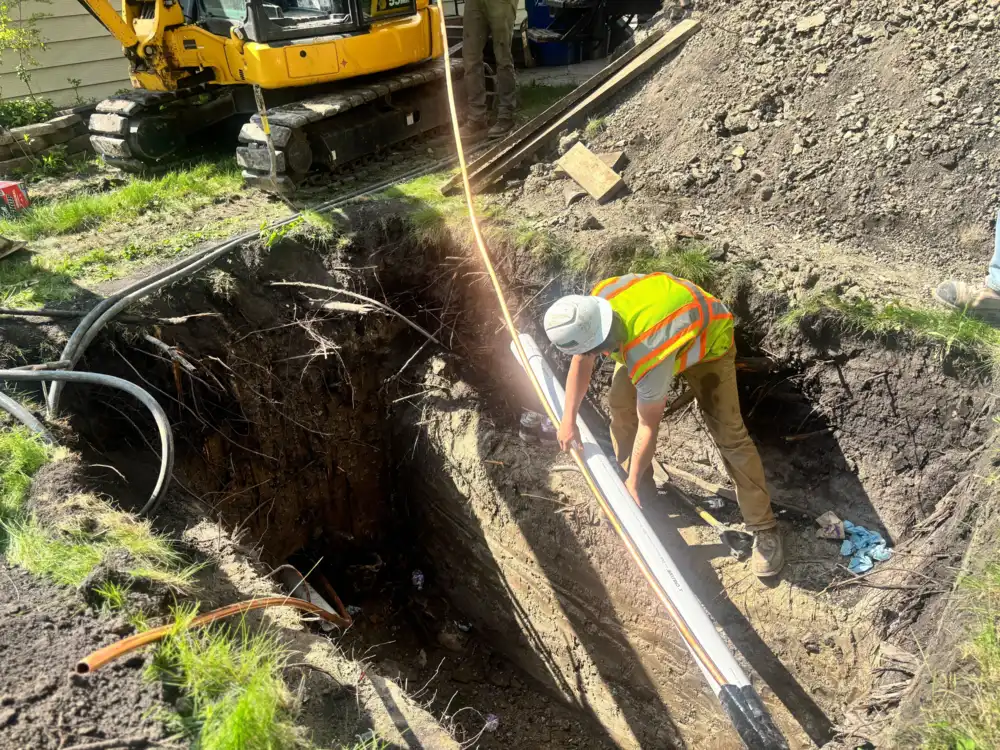
Minnesota’s ambitious effort to eliminate lead pipes by 2033 is facing growing concerns from local governments, which say current funding levels may not be sufficient to meet the deadline. The Minnesota lead pipe removal plan is part of a broader push to improve water safety and reduce long-term health risks associated with lead exposure.
State officials have emphasized that replacing aging infrastructure is critical to ensuring safe drinking water policy standards. Lead pipes, often found in older homes and public systems, have been linked to serious health issues, particularly for children. The plan aims to systematically identify and remove these pipes across the state within the next decade.
However, local government concerns Minnesota leaders have raised focus on the financial burden of implementation. According to early reports from municipal officials, the cost of replacing lead service lines can be significant, especially for smaller cities with limited tax bases. While state and federal funds have been allocated to support the effort, local authorities say the available resources may fall short of actual needs.
The lead pipes replacement Minnesota initiative requires coordination between state agencies, municipalities, and utility providers. Officials note that identifying affected properties alone can be a complex and time-consuming process, often involving inspections and historical record reviews.
Some city representatives have indicated that without additional funding, they may struggle to meet timelines outlined in the Minnesota lead pipe removal plan. They are calling for increased state support or expanded federal assistance to bridge the gap, though no final funding adjustments have been confirmed.
Experts in water infrastructure funding Minnesota issues say such challenges are common in large-scale public works projects. They point out that while policy goals may be clearly defined, execution often depends on sustained financial investment and logistical planning over multiple years.
State authorities have acknowledged the concerns and say discussions are ongoing with local governments to assess funding requirements and potential solutions. However, officials have not indicated whether the 2033 deadline will be revised if funding constraints persist.
Public health advocates continue to stress the urgency of removing lead pipes, noting that delays could prolong exposure risks in vulnerable communities. At the same time, they recognize that achieving the goal requires balancing urgency with practical resource allocation.
As the Minnesota lead pipe removal plan moves forward, the outcome will likely depend on how effectively state and local governments can align funding, policy, and implementation strategies in the years ahead.