
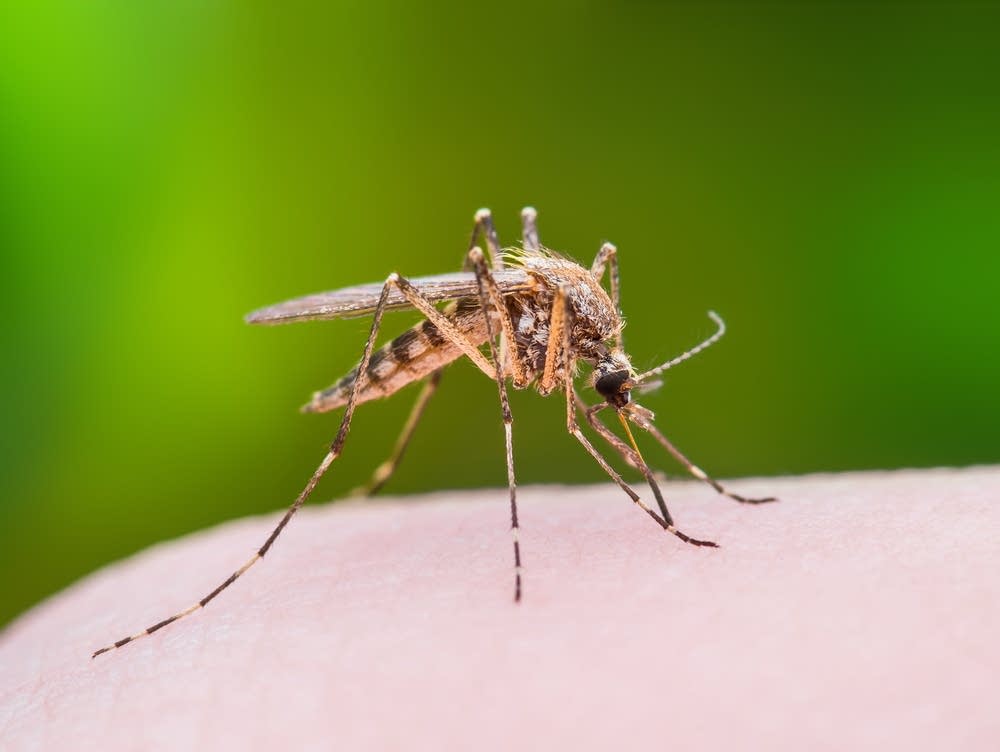
Mosquitoes in Minnesota test positive for West Nile virus for the first time this summer following routine field testing by the Metropolitan Mosquito Control District (MMCD). The infected insect pools were collected on June 17 from surveillance sites across three Twin Cities metropolitan counties: Hennepin, Ramsey, and Dakota. According to public health authorities, the discovery aligns perfectly with the typical seasonal timeline for when the mosquito-borne disease begins circulating in local vectors. While total mosquito numbers have remained below average during the early weeks of the season due to lower overall rainfall, environmental experts warn that upcoming shifts toward hot and humid weather create the perfect breeding environment to fuel vector activity.
The early warning indicator arrives immediately after one of the state’s most volatile virus seasons on record. In 2025, Minnesota experienced a record-setting surge with over 120 documented human infections statewide, including approximately 50 cases concentrated inside the Twin Cities area. Public health data identifies the Culex tarsalis mosquito as the primary species responsible for transmitting the virus from infected bird populations to humans. Because a high volume of Culex tarsalis drove last year’s record numbers, vector surveillance teams are being highly proactive by expanding localized trapping and considering targeted larvicide treatments in sectors exhibiting elevated baseline risks.
Essential Preventive Guidelines for Residents
To reduce the likelihood of contracting the virus, health officials urge the immediate adoption of routine personal protective measures:
-
Apply Insect Repellent: Use EPA-registered repellents containing active ingredients like DEET, picaridin, or oil of lemon eucalyptus.
-
Cover Exposed Skin: Wear loose-fitting, long-sleeved shirts and long trousers when spending extended time outdoors.
-
Eliminate Standing Water: Regularly check residential properties and empty containers, buckets, birdbaths, or clogged gutters where mosquitoes lay eggs.
-
Adjust Outdoor Timing: Limit outdoor recreation during dawn and dusk, which represent peak feeding hours for disease-carrying species.
While roughly 80% of individuals infected with West Nile virus experience no visible symptoms, the disease can cause flu-like body aches, headaches, and rashes in mild cases. In less than 1% of instances—particularly among older adults or immunocompromised individuals—the infection can trigger severe neurological conditions like encephalitis or meningitis. Local municipal authorities emphasize that these positive samples should serve as a practical reminder to minimise exposure rather than a reason to avoid outdoor recreation entirely.