
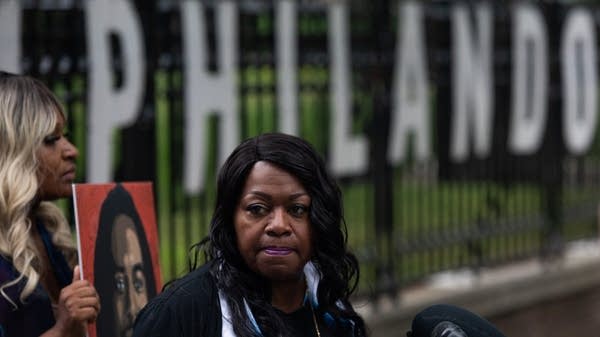
Philando Castile’s legacy grows in Minnesota ten years after his death, transforming a localized tragedy into an enduring symbol of systemic reform and community resilience across the region. A decade ago, the thirty-two-year-old nutrition services supervisor was fatally shot by a police officer during a routine traffic stop in the Twin Cities suburb of Falcon Heights. The immediate aftermath of the encounter, which was broadcast globally via a harrowing social media livestream by his girlfriend, ignited widespread civil unrest and thrust the state into the center of a national conversation regarding racial disparities in law enforcement practices. Although a county jury ultimately acquitted the officer involved of manslaughter charges a year later, the public outrage generated by the verdict permanently altered the state’s political and legal landscape. Today, community leaders and legal scholars view that specific historical moment as a critical turning point that effectively radicalized local advocacy networks and laid the structural groundwork for subsequent grassroots civil rights movements.
In the years following the tragedy, the Twin Cities community has actively worked to institutionalize the memory of the beloved school cafeteria employee through grassroots education and structural policy adjustments. His alma mater, St. Paul Central High School, established a dedicated memorial scholarship in his honor, while local municipalities have officially designated commemorative days focused on community restoration and social unity. On a broader institutional level, the fallout from the fatal traffic stop prompted significant legal shifts, including recent policy decisions by large metropolitan counties to stop prosecuting most felony cases originating from low-level regulatory vehicle stops. Sociologists from the University of Minnesota emphasize that the long-term advocacy surrounding the case effectively shifted public opinion, fundamentally altering how local prosecutors approach formal police accountability and investigate the use of deadly force by uniform personnel.
For the local population, including the dense African American and diverse East African diaspora communities residing throughout the metropolitan area, the decade-long milestone offers a solemn occasion for both mourning and reflection. Family members, led by his mother Valerie Castile, continue to host annual candlelight vigils and community events to preserve his identity as a compassionate, grounded individual rather than solely a symbol of institutional trauma. While deep systemic challenges regarding judicial equity and community safety persist, the sustained efforts of local organizers have ensured that the memory of the quiet educator remains a driving force for legislative change. As the state marks this profound ten-year anniversary, the ongoing evolution of municipal policing strategies stands as a direct testament to how deeply his memory has been woven into the modern civil rights history of the state.