
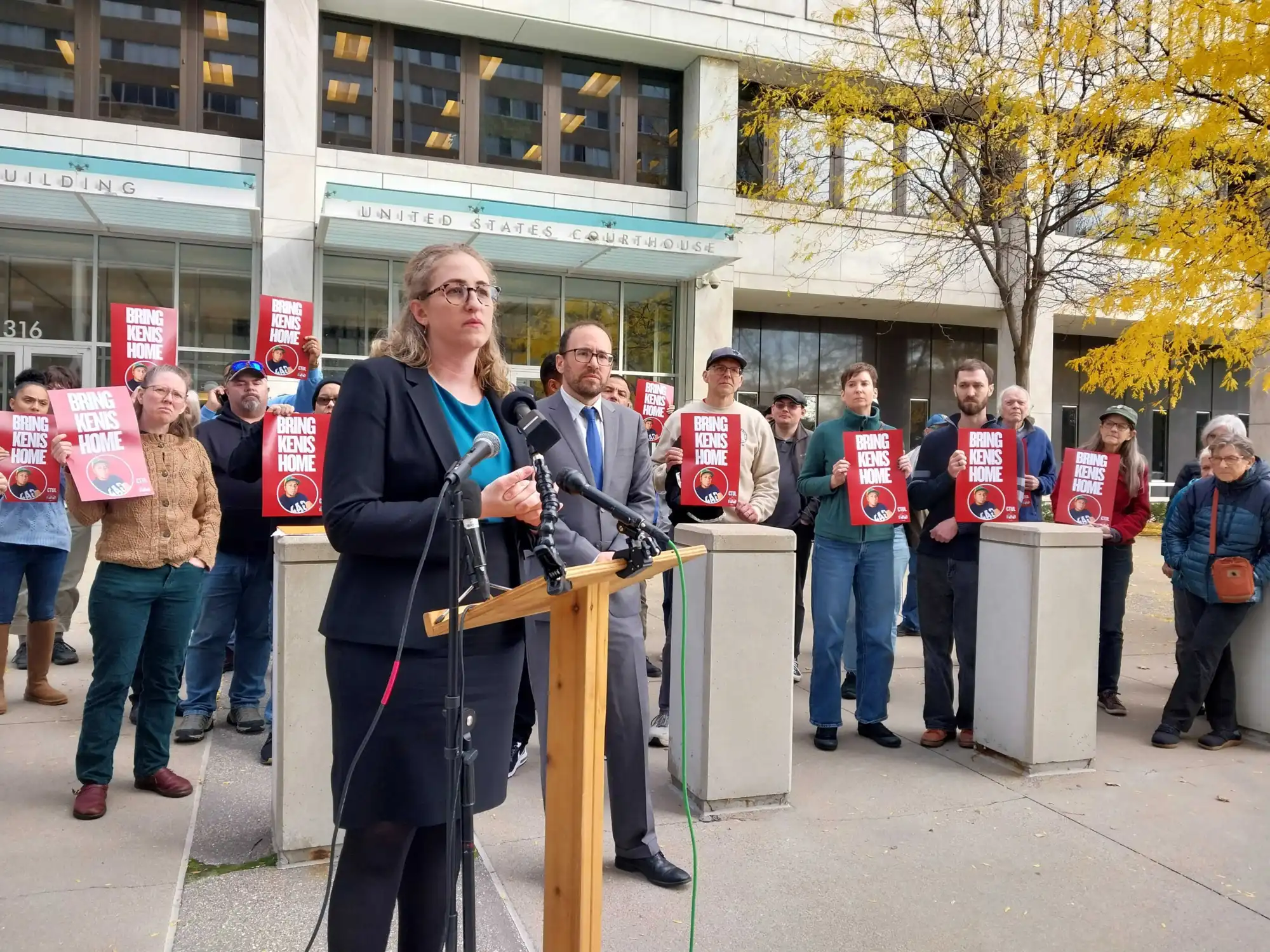
A high-profile immigration conflict has intensified as a Nicaragua man deported to Africa awaits return to Minnesota following a federal court ruling that declared his removal unlawful. U.S. District Court Judge Jeffrey Bryan ordered federal immigration authorities to facilitate the immediate return of Kenis Lopez Gonzalez, a Shakopee resident and construction business owner who was deported to the Central African Republic despite possessing legal protections against removal. The landmark court order has triggered an urgent appeal by federal prosecutors seeking to halt his return, bringing the controversial practice of third-country deportations into sharp focus across national legal channels.
According to court filings and statements from his legal team, Lopez Gonzalez entered the United States in 2022 and was granted legal protection under an order of supervision after an immigration judge determined he faced severe risk of harm in Nicaragua. Despite holding a valid work permit and state driver’s license, federal agents detained him during a regional enforcement operation in January. After being held in multiple detention centers, immigration authorities deported him in August to the Central African Republic—a nation currently listed under a severe travel advisory due to widespread violence and instability.
His legal counsel reported that Lopez Gonzalez remains stranded alongside other foreign deportees in a secured compound in Bangui, relying on international humanitarian aid for basic necessities. In his court decision, Judge Bryan ruled that federal authorities likely violated administrative regulations and constitutional due process protections when executing the third-country transfer. The court instructed the Department of Homeland Security and Immigration and Customs Enforcement to coordinate his return to Minnesota as soon as practicable.
The federal government responded by filing an emergency motion requesting a stay of the judge’s mandate while appealing the ruling to the Eighth Circuit Court of Appeals. Department of Justice attorneys argued that judicial interference in foreign removal agreements disrupts diplomatic negotiations and conflicts with broader federal policy regarding sovereign third-country arrangements. As the Nicaragua man deported to Africa awaits return to Minnesota, civil rights organizations, community advocates, and legal representatives continue to push for his prompt repatriating while the federal appellate courts review the case.