
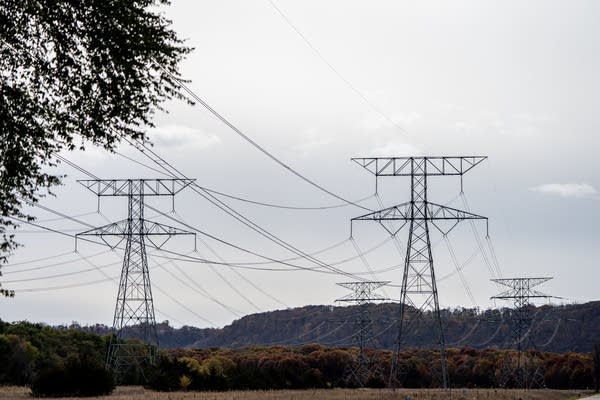
Why are Minnesota electricity bills going up is a pressing question troubling households across the state as consumers confront mounting utility expenses. Major power providers, including Xcel Energy, have implemented rate adjustments authorized by state regulators to offset the mounting costs of maintaining and expanding regional power networks. State officials and utility representatives attribute these persistent price hikes to a combination of aging infrastructure replacement, escalating transmission costs, and shifting generation expenses. After nearly two decades of relatively flat energy consumption, electricity demand is accelerating once again due to broad electrification efforts and the rapid proliferation of energy-intensive data centers.
The financial burden on local ratepayers has intensified as utility companies pursue multi-year rate cases before the Minnesota Public Utilities Commission. Providers argue that substantial capital investments are urgently needed to modernize outdated transmission lines, poles, and transformers originally constructed decades ago. Furthermore, utilities are funding the complex transition toward renewable generation portfolios to comply with state environmental mandates. However, these capital-intensive projects require significant upfront spending, the costs of which are ultimately distributed across residential and commercial customer billing statements through base rates and interim fee structures.
Consumer advocacy organizations and legislative committees have raised serious alarms regarding the cumulative impact of these continuous increases on working families and fixed-income households. Lawmakers recently reviewed state energy reports highlighting how broader market pressures, shifting federal policies, and rising utility profit margins complicate the affordability landscape. While regulatory bodies evaluate utility proposals to ensure just and reasonable pricing, ratepayers continue seeking relief options such as energy-efficiency programs and community solar subscriptions to manage their monthly expenses. Balancing reliable grid modernization with immediate consumer protection remains a central challenge for state regulators and policy leaders alike.