
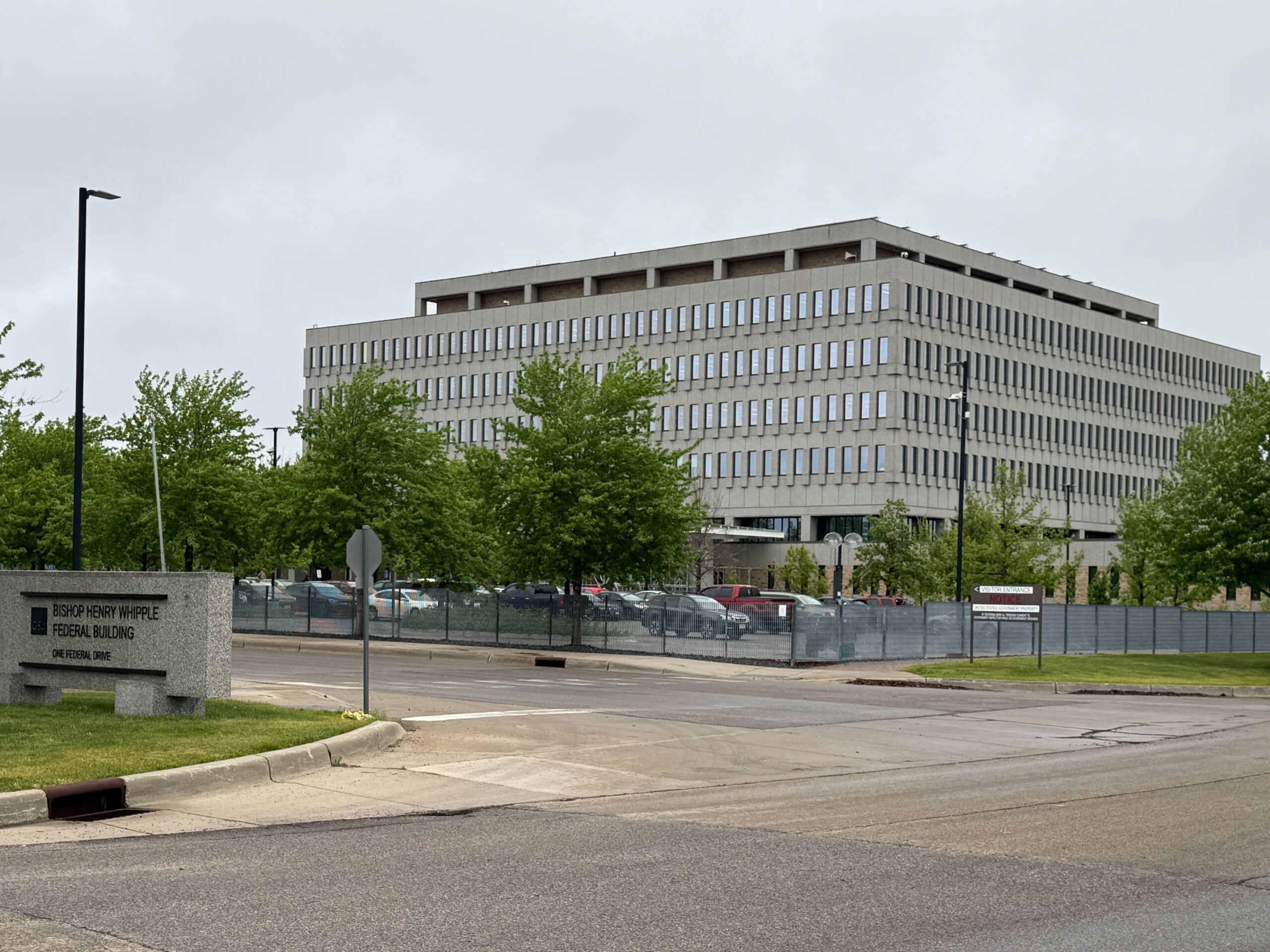
Sharp rise in deportation orders for Somalis in Minnesota has drawn intense scrutiny and widespread anxiety across the state’s prominent diaspora communities. Recent federal figures indicate that hundreds of Somali nationals residing within the region have faced expedited removal directives as immigration authorities accelerate asylum evaluations and narrow established pathways to legal protection. The notable escalation follows a series of intensified federal enforcement actions and policy shifts implemented by the administration, significantly impacting families and individuals who have built their lives in the American Midwest over many years.
Local community advocates, legal aid organizations, and regional officials have expressed profound concern over the speed and scale of the recent proceedings. Reports from immigration attorneys highlight that expedited hearings often leave defendants with limited time to secure comprehensive legal representation or prepare adequate appeals. While federal authorities maintain that these measures are necessary to enforce existing immigration laws and process backlogged cases, civil rights defenders argue that the rapid pace undermines due process protections and creates an atmosphere of pervasive fear within neighborhoods across the Twin Cities.
The developments have also triggered broader political and civic discussions regarding the future of humanitarian protections, including temporary legal statuses and asylum adjudications. State lawmakers and civic leaders have mobilized to offer guidance, mental health support, and legal resources to affected families, emphasizing the vital contributions of the Somali-American population to the local economy, education system, and cultural fabric. Nevertheless, uncertainty remains high as federal agencies continue executing removal orders and reviewing residency statuses under tightening national guidelines.
As legal battles and advocacy efforts continue to unfold in federal courts, affected community members and families are left navigating a tense and rapidly evolving landscape. Stakeholders on all sides stress the importance of transparency, adherence to constitutional due process, and careful monitoring of humanitarian conditions as the enforcement initiatives proceed. The ongoing situation underscores the deep complexities surrounding immigration policy, local integration, and the profound human impact of federal administrative changes on diaspora communities.