
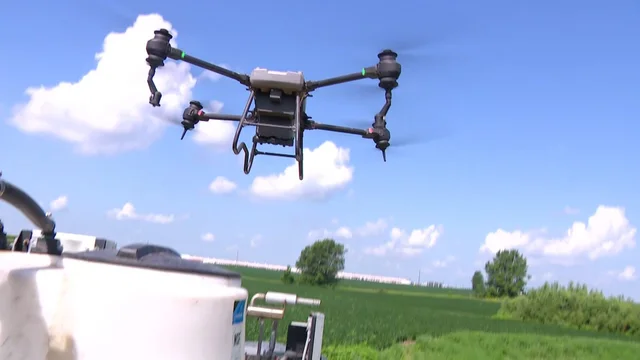
Why more Minnesota farmers are turning to drones to spray their fields is becoming one of the most prominent trends across the Midwest’s agricultural landscape as technology continues to redefine traditional farming practices. Over the past several seasons, growers across southern parts of the state, such as Owatonna, have heavily integrated heavy-lift uncrewed aerial systems into their routine crop protection technology workflows to apply vital fungicides and pesticides. As specialized application windows shrink due to unpredictable regional weather patterns, these remote-controlled platforms offer operators an agile alternative to conventional methods. This shift represents a fundamental pivot toward precision agriculture, allowing producers to optimize input placement while safely navigating complex geographical boundaries.
The operational advantages driving this technological adoption center heavily on preserving crop health and maximizing overall farm profitability. Traditional ground rigs, while highly effective, inevitably cause noticeable crop rundown by flattening paths of standing crops like corn or soybeans as they move through fields. By executing targeted aerial spray operations several feet above the crop canopy, unmanned aerial vehicles eliminate this physical damage entirely, directly saving bushels that would otherwise be lost to heavy tire compaction. Furthermore, agricultural drones utilize the powerful down-pressure or prop wash generated by their heavy-lift rotors to force microscopic chemical droplets deep into dense plant foliage, ensuring superior chemical penetration compared to conventional high-clearance tractors.
Local service providers and independent owner-operators highlight the incredible autonomy and cost-efficiency provided by modern mapping and flight-planning software. Before a single flight takes off, operators utilize overhead satellite imaging to map out the exact boundaries of a designated soybean field applications site. The specialized guidance software automatically codes the environment, marking obstacles like utility poles, treelines, and houses as automated avoidance zones for the aircraft to seamlessly navigate around. Once configured, a commercial drone can autonomously treat substantial acreage per day, returning every few minutes to a custom trailer setup for rapid battery swaps and tank refills, keeping overhead expenses down to a manageable average of thirteen dollars per acre.
Ultimately, analyzing why more Minnesota farmers are turning to drones to spray their fields highlights a broader commitment to long-term resource conservation and sustainable intensification. While traditional crop-dusting airplanes and heavy ground machinery still maintain a presence in regional land management, the sheer flexibility of drone technology makes it highly attractive to a younger generation of tech-savvy agricultural professionals. As state regulators and university extension offices continue to update licensing frameworks and safety guidelines, the momentum surrounding aerial drone adoption shows no signs of slowing down. For the extensive Somali-American diaspora in Minnesota who are deeply invested in local enterprises, technological innovations in the state’s multi-billion-dollar food production supply chain remain an essential point of interest.