
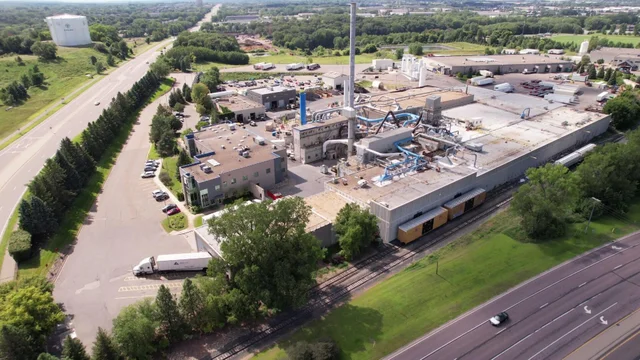
A major Minnesota battery recycling facility faces intense legal scrutiny after an Eagan recycling plant is sued over children’s alleged lead exposure linked to hazardous dust brought home on workers’ clothing and footwear. Legal representatives filed multiple lawsuits in state court on behalf of young children, ages two to nine, who live with current or former employees of Gopher Resource. The legal complaints allege that the lead recycling operation exposed young family members to toxic lead dust that migrated beyond the industrial fence line, leading to repeated and dangerously elevated blood lead levels. Attorneys representing the families assert that the company failed to implement sufficient workplace hygiene controls, protective gear standards, and decontamination protocols necessary to prevent employees from unwittingly transporting toxic residues into their family residences.
According to court documents and medical disclosures, the affected minors continue to suffer serious personal injuries stemming from early childhood exposure to neurotoxins. Medical experts and public health organizations, including the Centers for Disease Control and Prevention, consistently emphasize that there is no safe level of lead in a child’s bloodstream. Even minor exposure during formative developmental years can cause irreversible cognitive impairment, behavioral disorders, and chronic organ strain. Plaintiff attorneys highlighted one case involving a four-year-old boy whose routine pediatric screening revealed persistent lead accumulation, prompting legal action against the facility’s operators for deliberate, negligent, or reckless management of toxic substances.
The personal injury lawsuits emerge alongside broader environmental concerns that have troubled residents in the surrounding suburban community. Air monitoring assessments conducted by the Minnesota Pollution Control Agency previously recorded ambient lead levels exceeding federal national ambient air quality standards near the Eagan facility during early 2025. Although state environmental regulators noted that air quality measurements eventually returned to acceptable standards following equipment adjustments, local advocacy groups and neighborhood coalitions have continued demanding greater regulatory oversight and corporate transparency. Furthermore, separate class-action notifications regarding historic emissions have recently reached hundreds of local households, amplifying community anxiety over long-term environmental hazards.
In response to public inquiries and legal proceedings, company representatives have historically maintained that safety, environmental compliance, and worker protection remain core operational priorities. However, legal representatives for the impacted families contend that internal safety measures fell short of protecting vulnerable household members from secondary exposure. As judicial proceedings advance through Dakota County courts, legal scholars note that the outcome could set significant legal precedents regarding corporate liability for take-home industrial toxins. While municipal authorities confirm ongoing coordination with state health officials to monitor neighborhood air and soil metrics, impacted families remain focused on securing specialized medical care and legal remedies for their affected children.